

Running the way it should
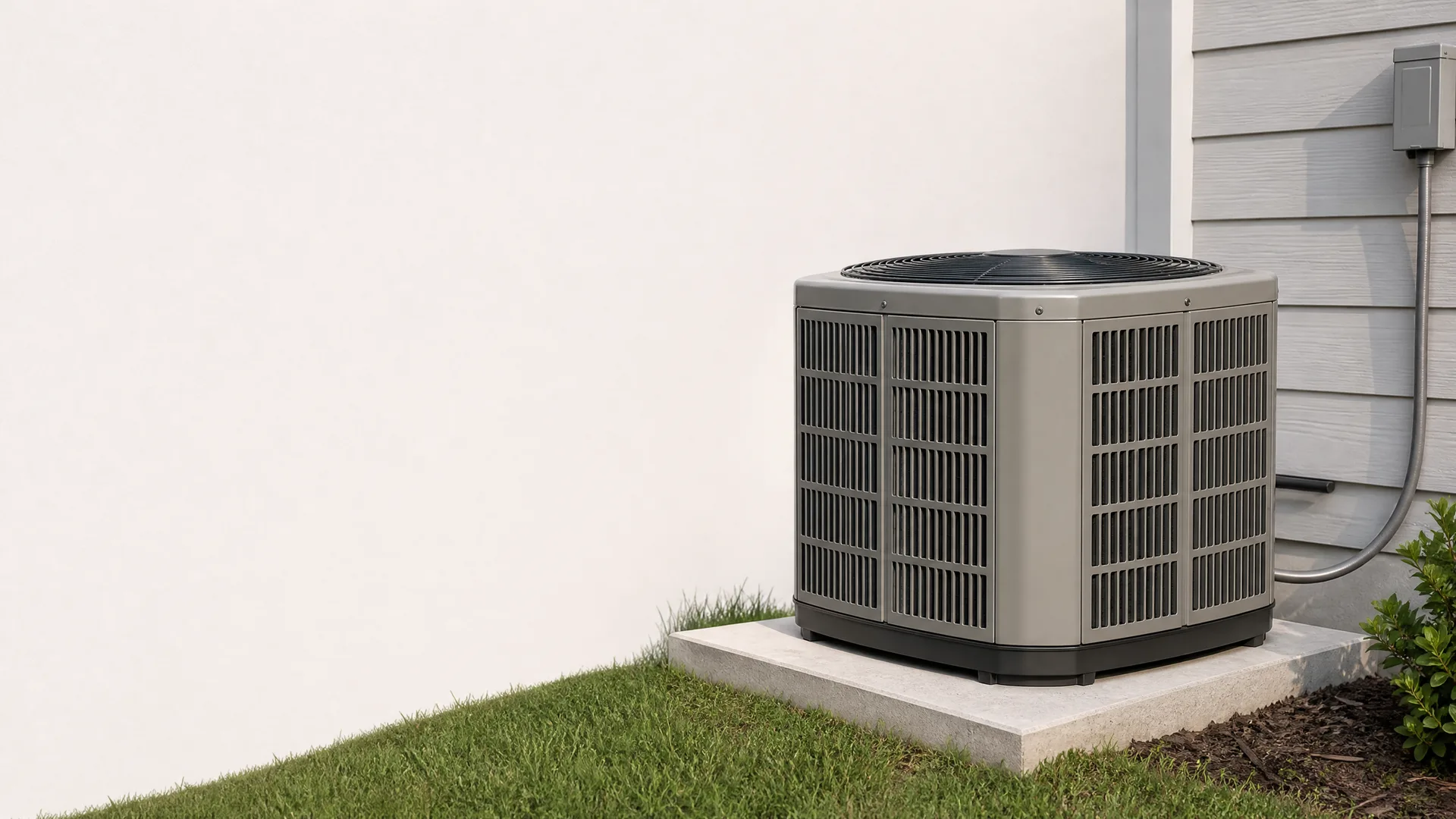
Air moves off the coil cold, the condenser cycles on and off with the thermostat, and the space around the unit stays clear. Gravel and a mulched bed on either side don't block the airflow it needs to push heat outside.
Send the request today and let an air conditioner pro reach out to you.
Hand off my repairYou turn the thermostat down expecting cool air and instead you're getting a warm breeze out of the vents. In a Manhattan summer that's not something you can wait out. It usually means the unit is still running but something inside it has stopped doing its job, and it helps to know what that's likely to be before you start calling anyone.
Most of the time this means the system has lost refrigerant charge, or a dirty coil and filter are blocking the airflow it needs to pull heat out of your home. A low charge almost always means a leak somewhere in the line, not normal use. A blocked filter can choke the system enough that the air coming out feels warm even though the compressor is running fine. Either way the unit keeps running and keeps using power without actually cooling the apartment, which matters here since electricity in New York County costs more than in most of the country. The longer it runs like this, the harder the compressor works for no benefit, so it's worth having someone look at it rather than letting it run through the rest of the summer.
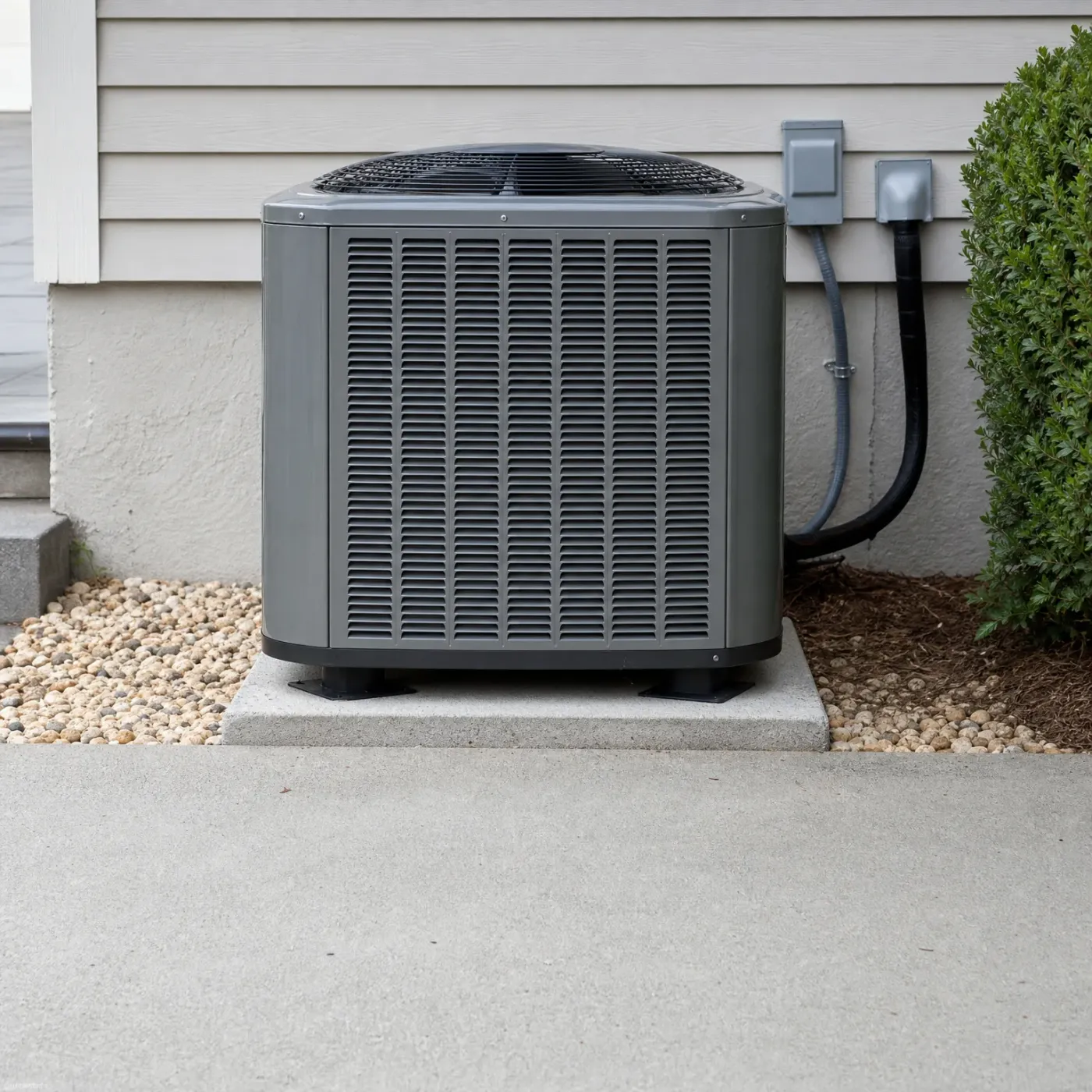
Air moves off the coil cold, the condenser cycles on and off with the thermostat, and the space around the unit stays clear. Gravel and a mulched bed on either side don't block the airflow it needs to push heat outside.
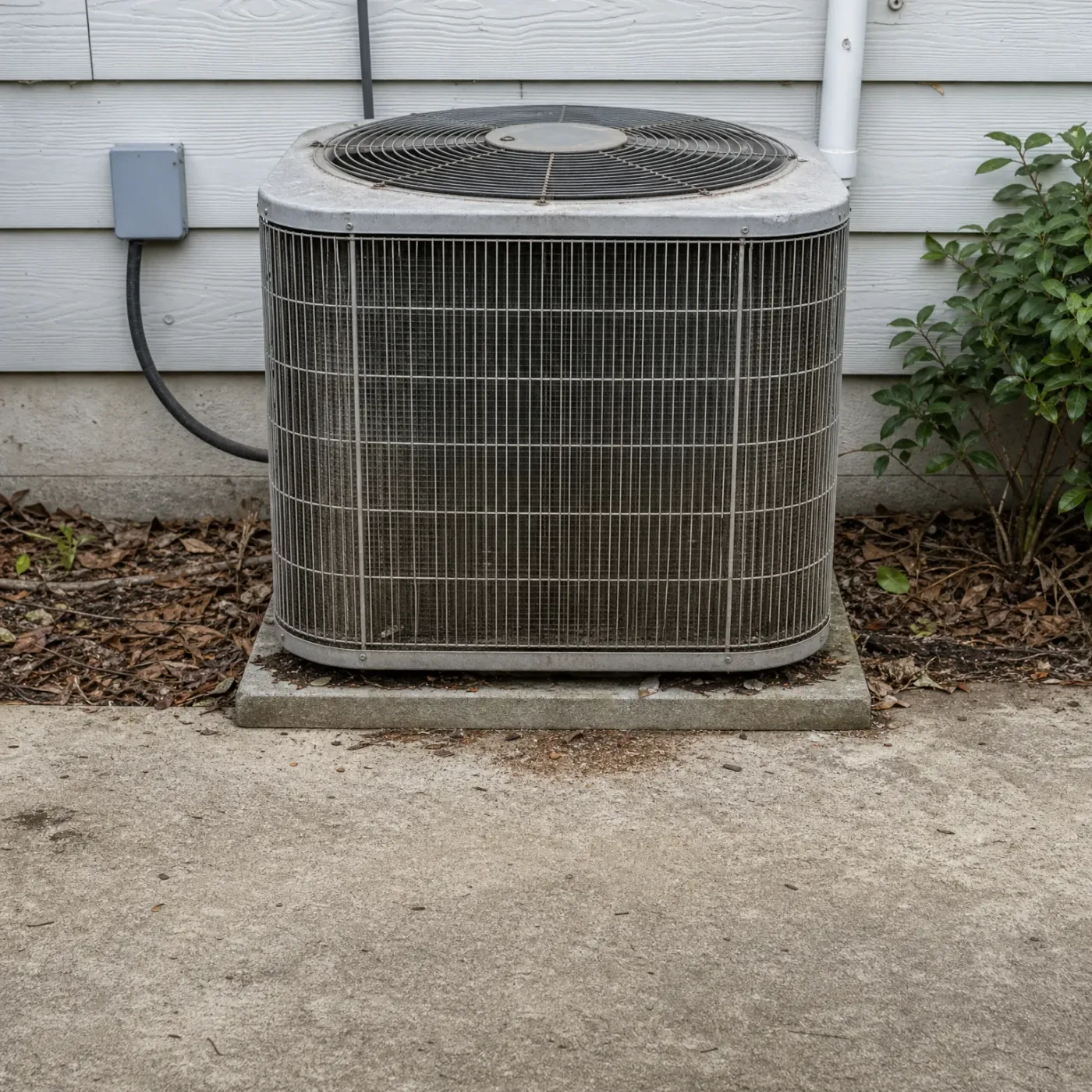
Dirt packed into the coil grilles keeps the unit from shedding heat the way it's built to. The compressor still runs and still pulls power, but the air coming off it loses its chill, and in a July apartment or brownstone that shows up fast.




A clogged filter is one of the most common reasons warm air comes out of the vents. Air has to pass through it before it reaches the coil, and once it's packed with dust, the system can't pull enough air across that coil to do its job. The coil gets too cold for the air moving past it and starts icing over instead of cooling anything. Once ice builds up, what little air does get through comes out warm, not cold. Checking the filter costs nothing and takes a minute. If it's gray and matted rather than white, that alone can explain the warm air before anything else gets looked at.
Refrigerant doesn't get used up the way fuel does. A system that's low on it has lost some through a leak somewhere in the line set or coil, and the level won't come back up on its own. With less refrigerant moving through, the coil can't absorb as much heat from the air passing over it, so the air coming out is warmer than it should be. Adding refrigerant without finding the leak only buys a short while before the level drops again. In the humidity New York County gets all summer, a system already working harder than it should will show a warm-air problem sooner rather than later.


Refrigerant moves in a sealed loop between the indoor coil and the outdoor condenser, and nothing about normal operation uses it up. If the charge is low, it's because it's escaping somewhere along the lines or through the coil itself. That same loop depends on the compressor to keep pressure moving through it, and the compressor depends on the start capacitor to get going. When that capacitor fails, you'll sometimes hear the unit hum and try to start without turning over. Outside, the condenser fan has its own job: pulling air across the outdoor coil so the heat your house collected can actually leave. If that motor seizes or slows down, the heat has nowhere to go, no matter how well the rest of the system runs. Ice on the copper line usually means the indoor coil has frozen, and that ice acts as insulation, blocking the cooling instead of helping it. Letting the system keep running won't melt it faster. If your home has a heat pump instead of a standard AC, a reversing valve stuck in the cooling position can produce this same warm air, even though the rest of the system is working fine.

A dew point of 62°F is what you're up against here most of June, July and August, according to NOAA climate records for New York County. That's heavy air, the kind that makes your skin feel damp even standing still. Your AC has to pull that moisture out before the space actually feels cool, so on those days it's working harder for the same temperature on the thermostat. If the system is already short on airflow or low on refrigerant, this is exactly the air that exposes it, and warm air at the vents shows up faster than it would on a dry 85 degree day. A contractor working Manhattan systems all summer sees this pattern every year and checks for it first.
NASA POWER T2MDEW
A dirty filter or a refrigerant leak are things you can live with knowing about for a day or two. Warm air blowing in a Manhattan apartment in July isn't. The heat doesn't let up at night here, and a unit that's stopped actually cooling will let a room climb fast, especially above the first few floors where the sun holds on longer. Figuring out whether it's the capacitor, the charge, or something in the ductwork takes someone who's opened up this kind of system before, not a guess from the vents. A contractor working across Manhattan sees these same failures every summer and knows which ones show up first in buildings like yours. Send the request and that part of it is off your plate. You'll have someone local looking at your actual unit instead of spending the afternoon troubleshooting a system you didn't install and don't want to take apart yourself.
The air out of the vents stops feeling cold before it stops moving. You'll still hear the system running, maybe even the condenser cycling outside, but the room doesn't drop in temperature the way it should. Upstairs floors or back rooms lag furthest behind, since they're already working against the heat coming through the walls and windows. A thermostat set to 72 that's reading 78 after an hour isn't a fluke. That gap is the clearest sign something between the coil and the vent isn't doing its job.
A system pushing warm air is usually still drawing full power while cooling little or nothing, so the electric bill climbs without the relief to show for it. Keep running it and a low refrigerant charge or a frozen coil can push the compressor to work harder than it's built for, which shortens its life. In a Manhattan apartment in August, the room also just keeps climbing past comfortable, and that's the part you feel every hour you wait.
Four months of real cooling load is what your AC gets here, June through September. That's not much time for a weak part to announce itself before you need the unit every day. When it starts blowing warm mid-summer, there's no slow season ahead to wait out before getting it looked at.
NOAA nClimDiv 1991-2020
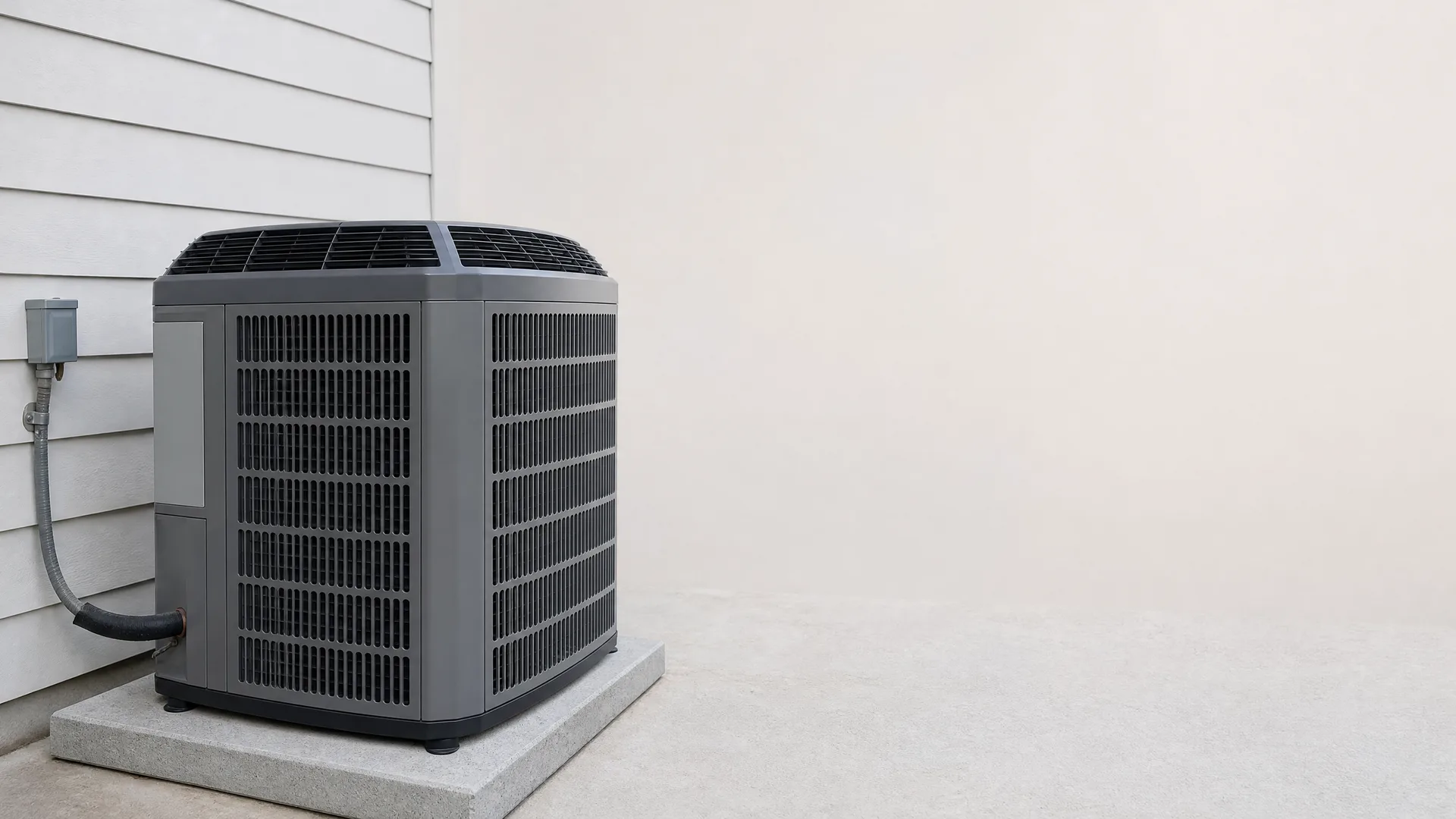
You can swap the filter, check that the thermostat is set to cool and not fan only, and make sure nothing's blocking the outdoor unit. If the air still isn't cold after that, you're down to guessing. Opening the cabinet to check a capacitor or test refrigerant pressure means working around a live electrical system and sealed lines that aren't meant to be opened without gauges and the training to read them.
A local contractor who works on this equipment all summer has seen most of what causes warm air by the second week of June. They'll check the charge, test the capacitor, look at the coil, and tell you straight what's failing instead of you swapping parts hoping one fixes it. One visit, one diagnosis, and you know what you're dealing with instead of living with a warm apartment while you figure it out.
Warm air out of the vents almost always comes down to one of a handful of things: a filter choking off airflow, a coil that's frozen or dirty, a low refrigerant charge, or a capacitor that's given out. None of those fix themselves, and none of them are worth guessing at from the outside. A contractor who services Manhattan systems all summer has seen every one of these fail in buildings like yours and knows what to check first. Once you send the request, you're matched with one licensed local contractor, not a handful of companies racing to call you back first. That's someone who works on this equipment in this borough every season, not a dispatcher reading off a list. You still have a warm apartment right now, but you're not the one who has to figure out which part failed or whether the person coming knows what they're doing.
Hand off the air conditioner problem