

Central AC or mini split for a New York home
Once you send the form, finding a pro is off your list.
Hand it offShould I get central AC or a mini split for my New York home?
You've got a cooling decision to make before next summer hits, and you're weighing two different paths. Your home already has gas heat, which changes the math compared to homes that need ducts for both heating and cooling. You want to know which system actually fits a New York home, not a generic answer about which is "better" in the abstract.
It depends on whether you already have ductwork
If your home heats with gas and already has ducts running through it, central AC uses what's already there. A mini split makes more sense when there's no ductwork to tie into, which is common in older New York homes with radiators or baseboard heat. Installing new ducts just for cooling adds real cost and work that a mini split skips entirely, since it runs on wall-mounted units connected by a thin conduit instead. With power here among the most expensive in the country, the other piece worth knowing is efficiency. A mini split cools only the rooms you choose, while central AC cools the whole house at once. For a home already set up with ducts, that difference matters less. For one that isn't, it can matter a lot over a sticky summer.

A summer dew point averaging 62°F across June, July and August, per NOAA climate data, is what makes New York air feel heavy even when the temperature itself isn't extreme. That moisture load is what your cooling system is really fighting, not just heat. A central system pulls that humidity out through ducts across the whole house at once, so no room gets left sticky while another feels fine. A mini split does the same job room by room, which matters if you're only trying to keep a few rooms comfortable rather than the entire house. Either way, the equipment is working against the damp air, not just the thermometer, so sizing it to your home's layout matters more here than in a drier climate.
NASA POWER T2MDEW county cells weighted by homes
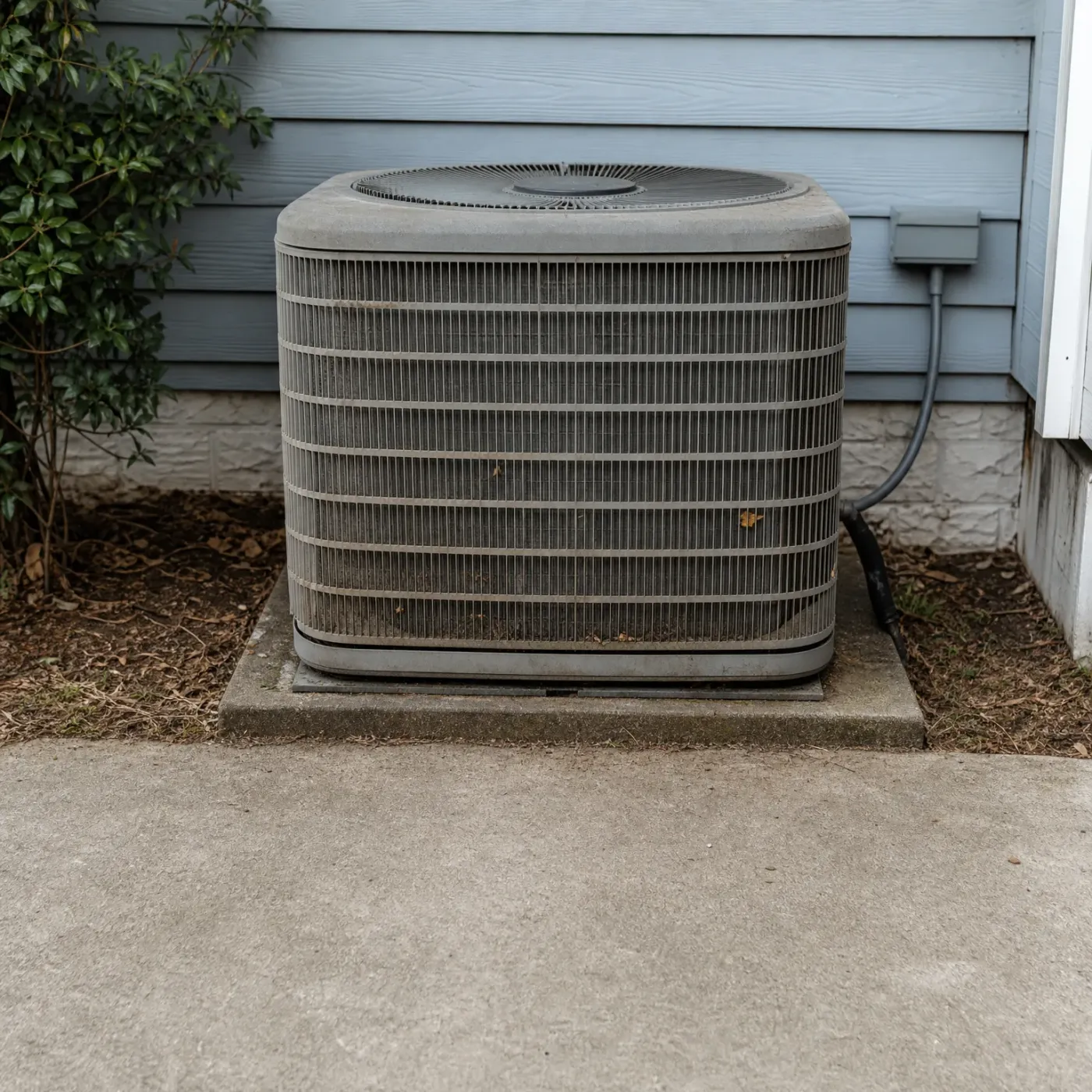
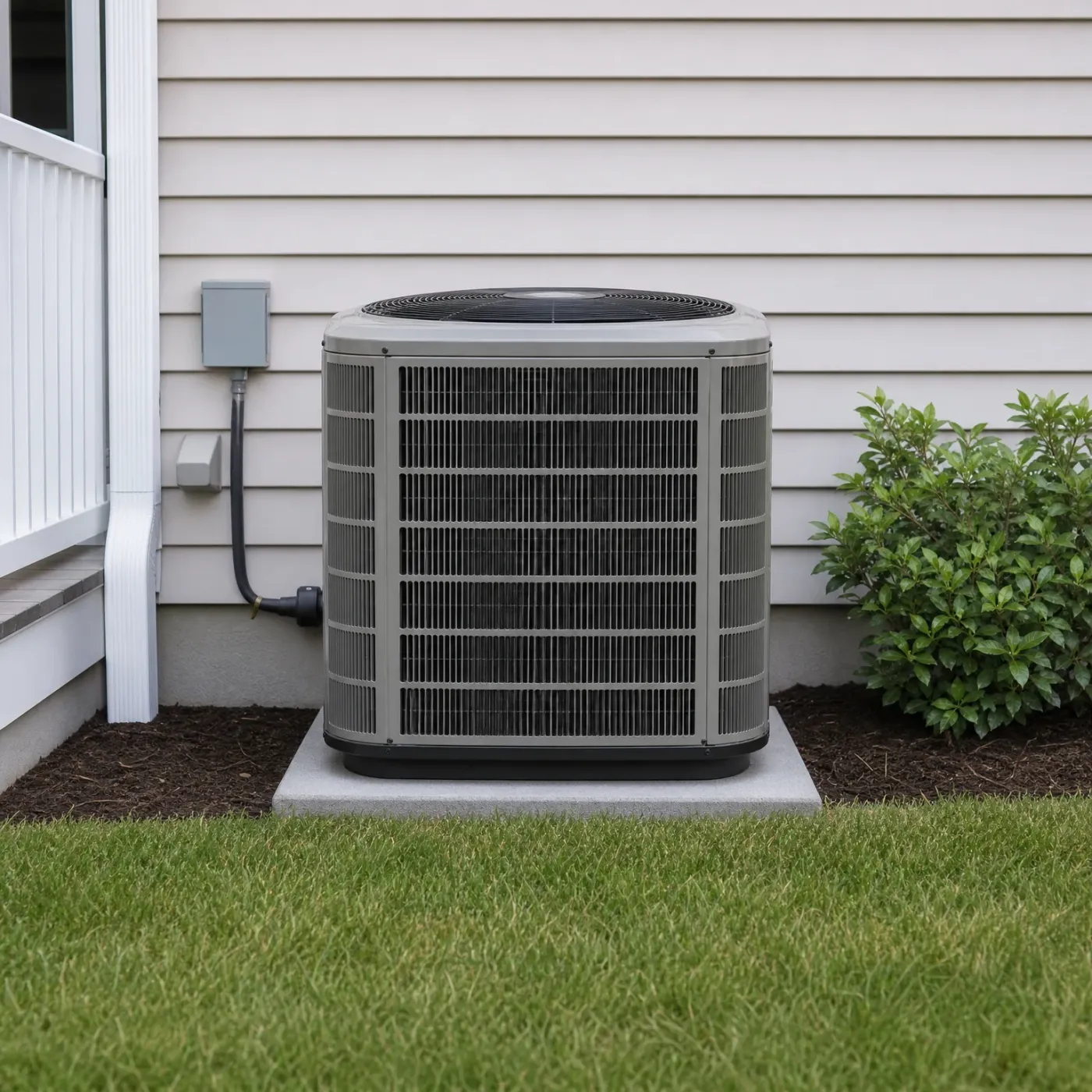
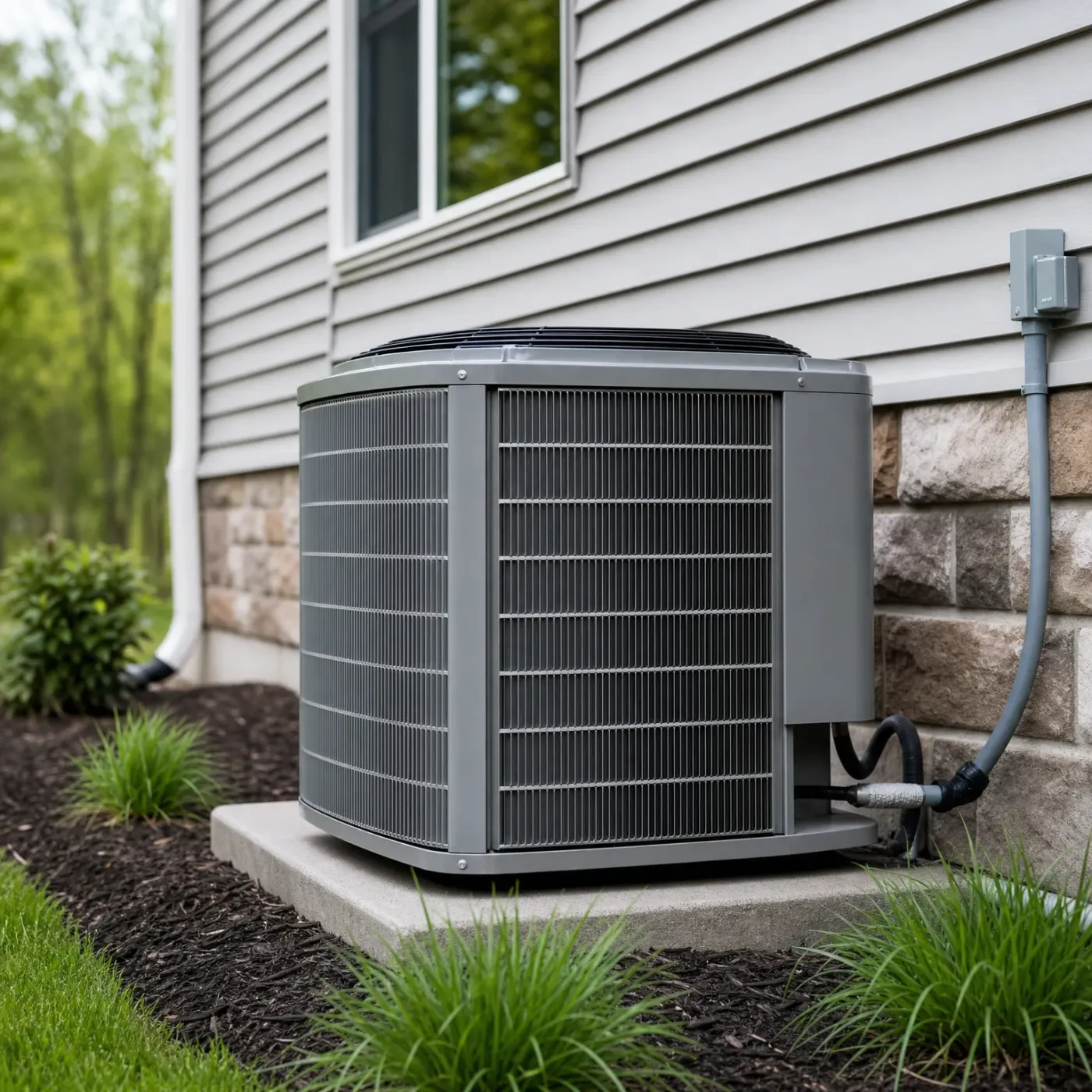
If your home runs on ducted gas heat already, central AC uses what's there, and the install goes faster because the contractor isn't fishing lines through every room. If you've got a house with no ducts, or rooms that never cooled right with a window unit, a mini split puts cooling exactly where you need it, and you can add zones as money allows instead of all at once. The real cost of waiting shows up two ways. A window unit straining through a sticky July runs your power bill higher than it should, and New York power isn't cheap. And if you put off the decision until the first heat wave, you're choosing from whoever's still available that week, not who you'd pick with time to compare. A ducted house with an undersized or failing system also loses cooling unevenly, the upstairs bedrooms going first. None of this is urgent today. It's worth deciding before the first 90 degree day makes it urgent for you.


Send one request and you're done looking
Answer a few questions instead of calling shop after shop.
After you send the request, you're done searching.
Sending the form costs nothing.




Power costs 26.39 cents per kilowatt-hour statewide
At 26.39 cents per kilowatt-hour, every hour your compressor runs shows up on the bill fast. A mini split that only cools the rooms you use can cost less to run than central AC pushing air through the whole house, even with the same thermostat setting.
EIA-861 2025 statewide residential average
Central AC or Mini Split: Where You Land
- Central AC makes sense if gas-heated ductwork already runs through your home, since the install uses what's there.
- A mini split fits a home with no ducts, or rooms a window unit never kept cool.
- New York's summer humidity is the real load on either system, not just the temperature on the thermostat.
- Running electricity at 26.39 cents per kilowatt-hour means the choice between whole-home and room-by-room cooling shows up on every bill.
- Either path means finding a contractor licensed to size and install the system correctly for your home.
The answer comes down to what's already in your walls. Gas heat running through ductwork points you toward central air, since the install works with what exists instead of against it. No ducts, or a house where window units never beat the humidity back, points you toward a mini split instead. Neither choice is about which system is better in the abstract. It's about which one fits the home you actually have.
New York's summers make this decision harder than the temperature alone suggests. The humidity sitting in the air all June through August is what either system has to pull out, and that work costs electricity at a rate most of the country doesn't pay. Whole-home cooling and room-by-room cooling spend that electricity differently, and the difference shows up on your bill whether you picked right or not.
What doesn't change is the need for someone licensed to size the system and install it correctly, whichever path you take. That's the part that normally costs you time: searching for contractors who handle this kind of install, calling a few, explaining your home's setup over and over, then sitting with quotes trying to compare them against each other. None of that tells you whether your home needs central air or a mini split. It just delays the point where you find out. Once you've sent the details in, that search is off your plate, and you're left with the actual decision instead of the legwork around it.

Air Conditioner Installation
Finding a pro stops being your job

- Describe your air conditioner job, and a local pro who handles it gets in touch.
- A local installer who puts in air conditioners gets your project.

- Send the request and finding a pro stops being your problem.
- After this form, you can stop searching for an air conditioner pro.

- Skip collecting and comparing quotes for the new air conditioner.
- Fill out one short form instead of calling around.

- Your request goes to one pro, not a list of companies.
- One installer gets your project, so there's no bidding war over it.