
Portable or window unit
Covers one room at a time. You empty the tank yourself or run a drain hose, and it only helps the space it's sitting in.
The right pro for this job
Your AC cools the air but it doesn't always pull the moisture out, especially on New York's stickiest days. This page looks at when a dehumidifier actually helps alongside your system and when your AC is handling it fine on its own. Skip the research and get matched with a contractor who can look at your setup and tell you what it needs.
Connect with a proMost homes in New York don't need a separate dehumidifier running alongside the AC, but some rooms do. Your air conditioner removes humidity as a side effect of cooling, not as its main job, so on a muggy July day it can keep the house at 72 degrees and still leave the air feeling damp. That happens because the thermostat shuts the system off once the temperature target is met, even if moisture is still high. A finished basement is the usual problem spot, since it stays cool enough that the AC barely runs there, which means it barely dehumidifies there either. If your main living space feels dry and comfortable when the AC is running, it's doing its job. If a specific room still feels sticky no matter what the thermostat says, that's the one that needs the extra help, not the whole house.




Cooling and drying the air aren't the same job, even though one machine is doing both. Your AC pulls moisture out only as air passes over the cold coil, so the drying stops the moment the compressor shuts off. On a day that's muggy but not hot, the thermostat is satisfied fast and the system never runs long enough to take much water out of the air. A room that stays damp, like a basement, often isn't getting enough runtime to begin with, since the AC only kicks on when that zone needs cooling, not when it needs drying. Sizing matters too. An AC that's too big for the space cools it down quickly and shuts off early, which feels efficient but leaves the humidity behind. A standalone dehumidifier doesn't have that problem because it answers to a humidity setting, not a temperature one, so it keeps running after the AC has already stopped. A whole-home unit does the same thing but through the ductwork, working alongside the AC instead of asking it to do a second job it wasn't built for.
Warm air passes over the cold evaporator coil inside your system
Moisture in that air condenses on the coil's surface
Condensate drips into a pan and drains outside through a line
The thermostat cuts power once the room hits its set temperature
Walk through your own house on a sticky July evening. The thermostat might read 72, but the air in the basement or the back bedroom still feels heavy. Windows fog on the inside in the morning. Wood doors stick in their frames. Towels left in the bathroom stay damp a day later than they should. You might notice a musty smell in a closet or crawl space that wasn't there in the spring. None of this means your AC is broken. It just means the room is holding onto moisture the system never had a long enough run to pull out. Left alone through a full New York summer, that dampness is what lets mold get started in corners and closets that don't get much air movement.
Cold air holds less moisture than warm air, which is why a basement often feels wet even when it's the coolest room in the house. The AC's return is usually upstairs, so the basement gets whatever air happens to drift down, not a steady pull of dry air. A dehumidifier placed there works on that one room directly instead of waiting on the whole system to catch up.
A larger AC moves more air across the coil per hour, which cools a room fast but doesn't necessarily leave the air drier. If the unit is sized to the square footage alone, it can satisfy the thermostat in New York's humid stretches before the coil has run long enough to strip out the moisture. That's a sizing question worth raising when you're looking at installation, not just a comfort complaint to live with.
Will a bigger AC fix the humidity problem instead?
An oversized AC cools the air faster than a correctly sized one, which sounds like an advantage but works against you here. It hits the thermostat's set temperature and shuts off before it has run long enough to pull much moisture out of the air. The compressor needs time running to keep the evaporator coil cold and condensing water, and a bigger unit cuts that time short. You end up with a room that reads 72 on the thermostat but still feels damp, with the system cycling on and off more often instead of settling in and drying the air out. Sizing an AC for New York's humidity means matching it to the house, not going bigger.
One form replaces the calls you'd make to find an air conditioner pro.
Get in touch with a local installer about a new air conditioner.
No charge to send it. You decide if you hire them.
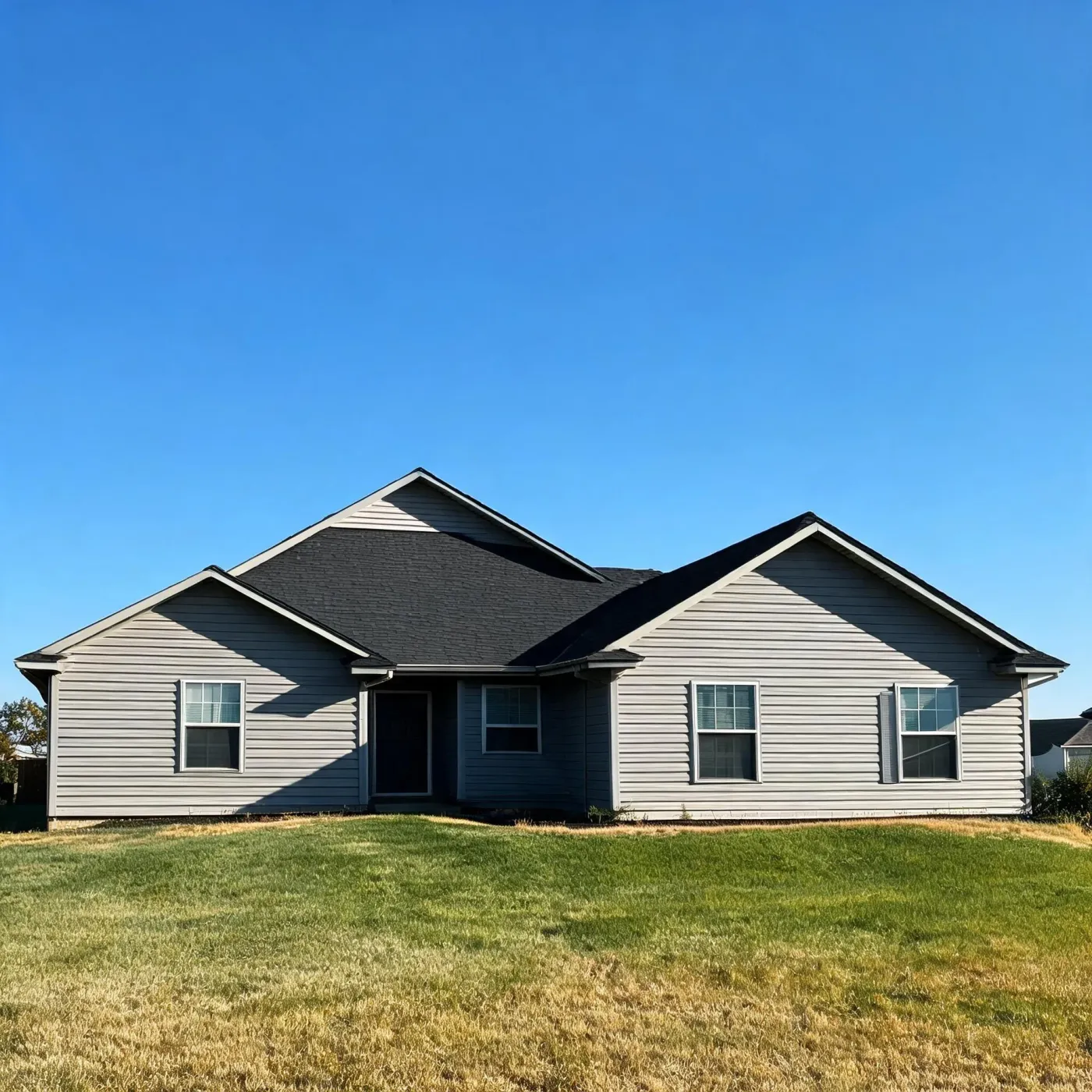
Averaged over where homes sit across New York, the summer dew point works out to 62°F across June, July and August, according to NOAA climate data. That's the sticky range, the kind of air that feels heavy even standing still. Your AC can hold the thermostat at 72 and still leave that dew point in the room, because the coil only wrings out moisture while it's running, and a dew point this high means it's not running long enough on milder days to catch up. You'd notice it most in the muggiest stretches of July and August, when the air feels thick even though the temperature looks fine.
NASA POWER T2MDEW county cells weighted by homes


Covers one room at a time. You empty the tank yourself or run a drain hose, and it only helps the space it's sitting in.
Wired into your system so it runs off the same ducts as your AC, reaching every room on that duct run without you moving anything.
At 26.39 cents per kilowatt-hour, running your AC harder and longer to chase humidity costs more here than almost anywhere else. A dehumidifier that lets your AC set shorter, more efficient cycles can keep that bill from climbing just to keep the air dry.
EIA-861 2025 statewide residential average
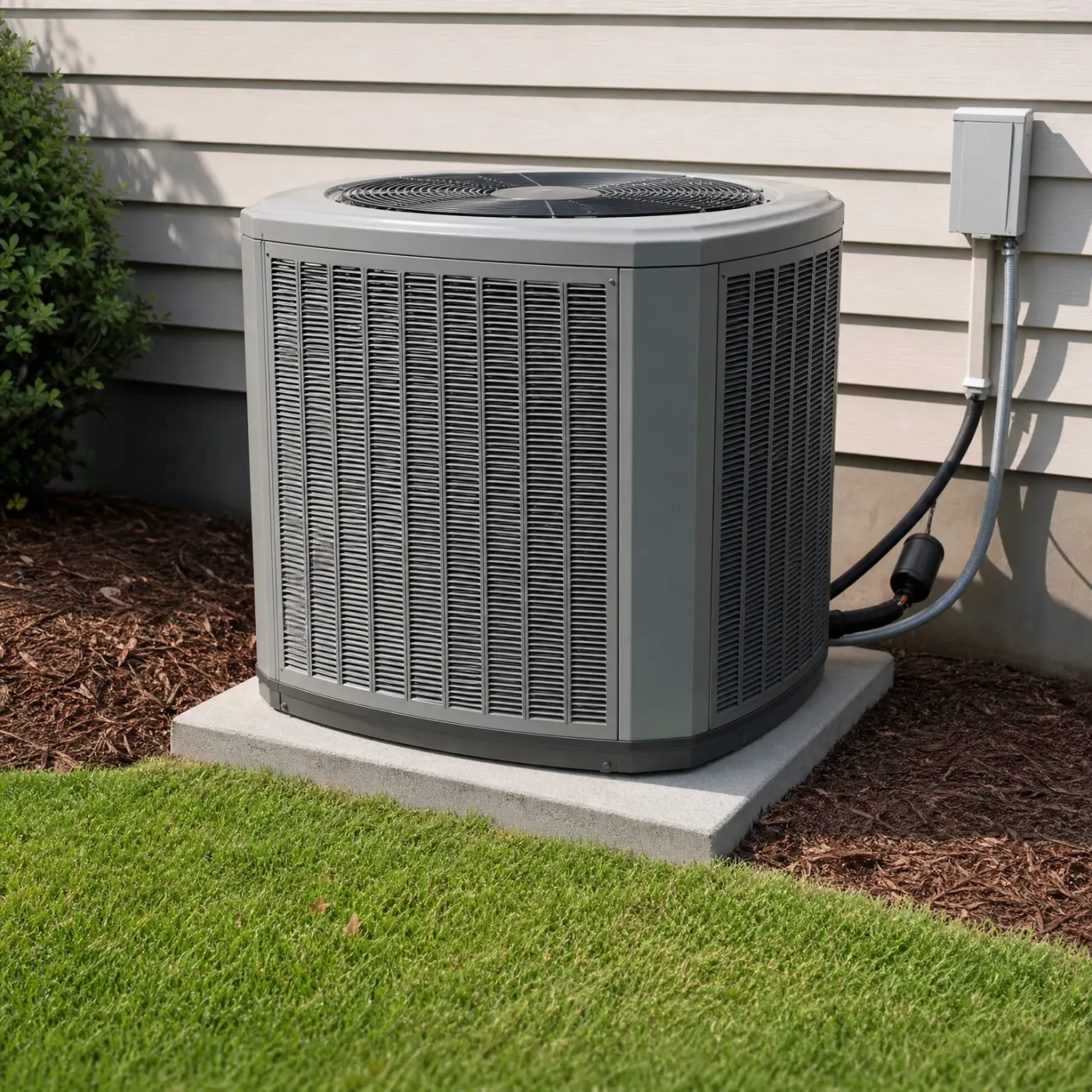
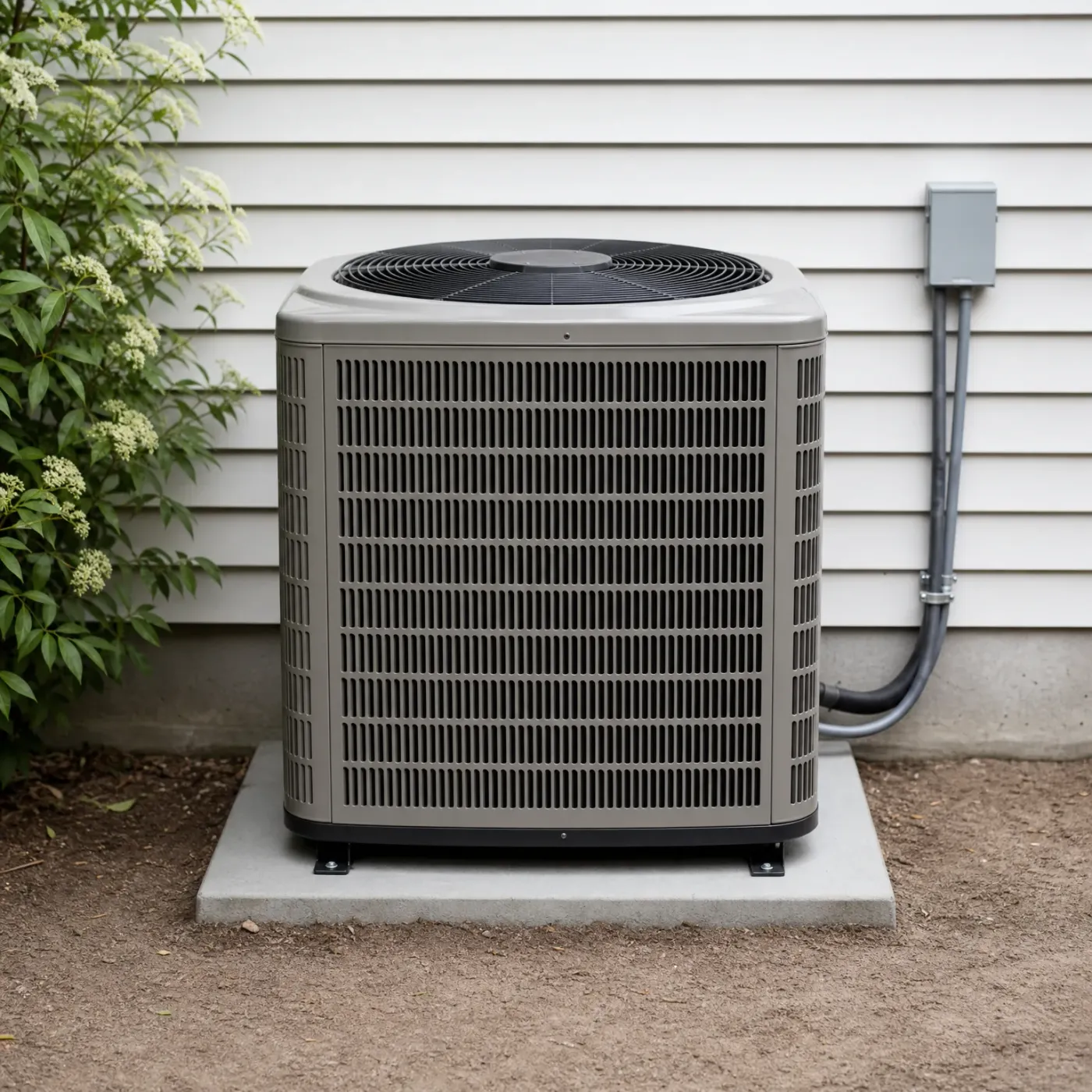
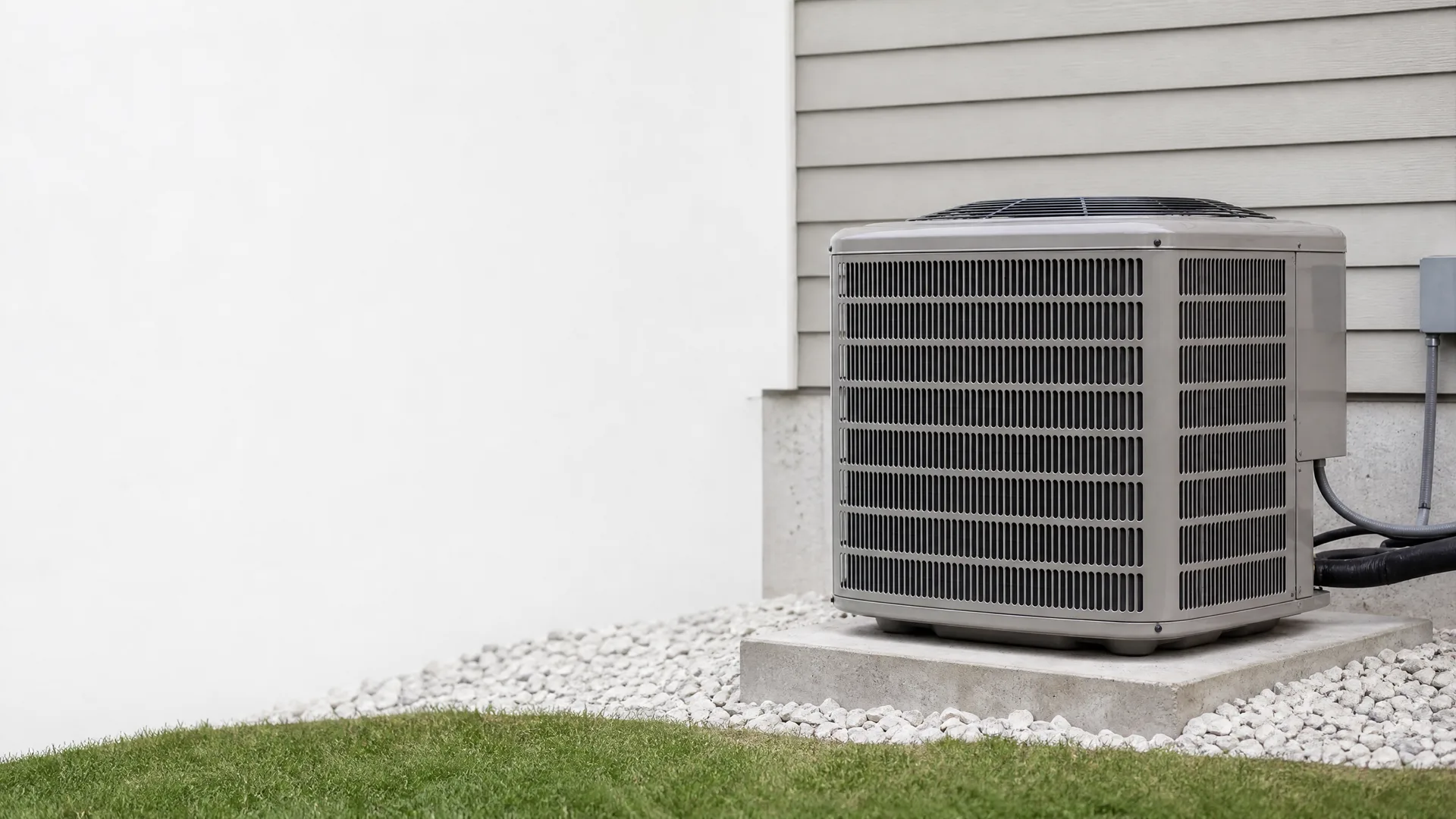
This is what a normal setup looks like, the condenser sitting on its pad against the siding with the lines running up to the disconnect. When it's sized and working right, it cycles long enough to pull the moisture down with the temperature, and you're not thinking about it.
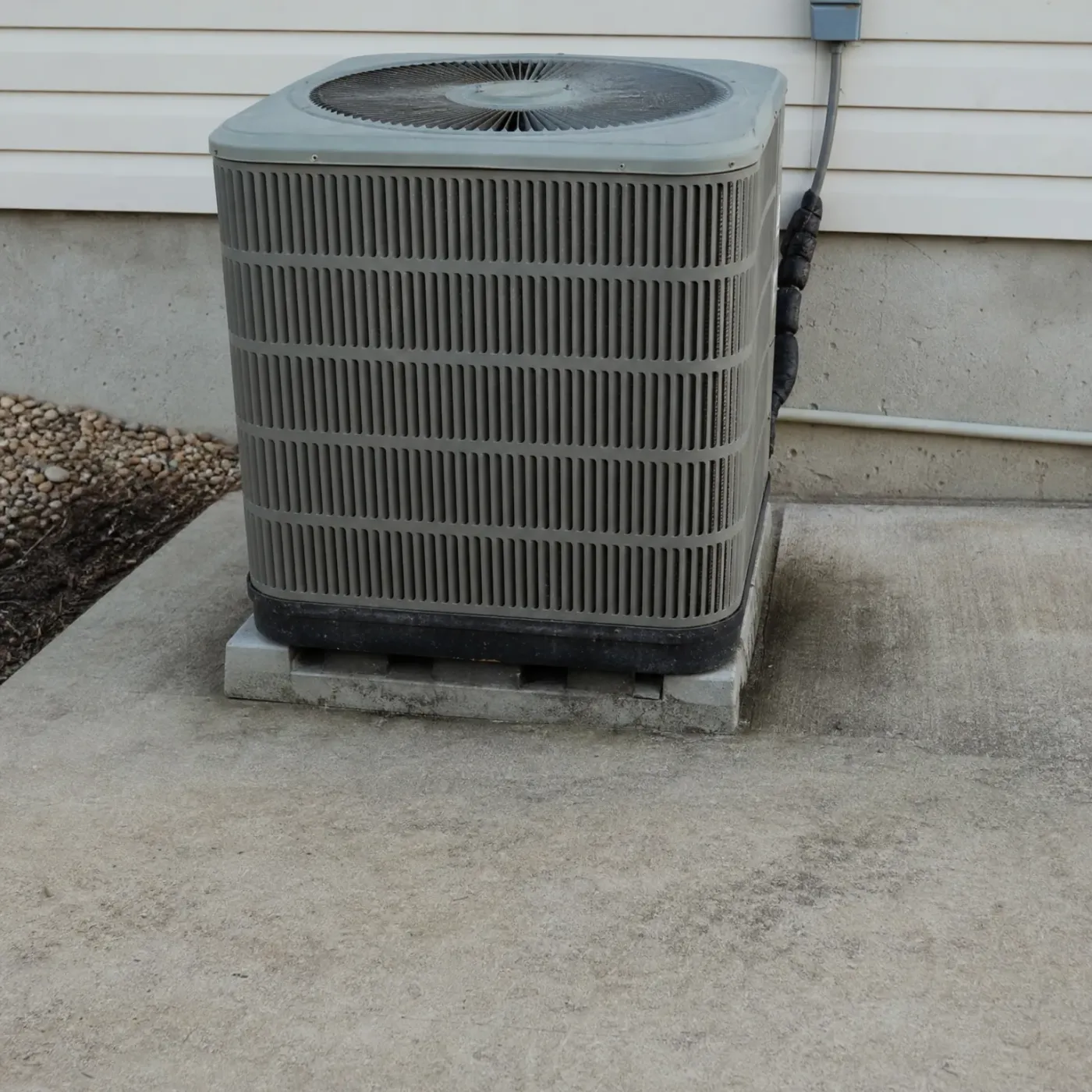
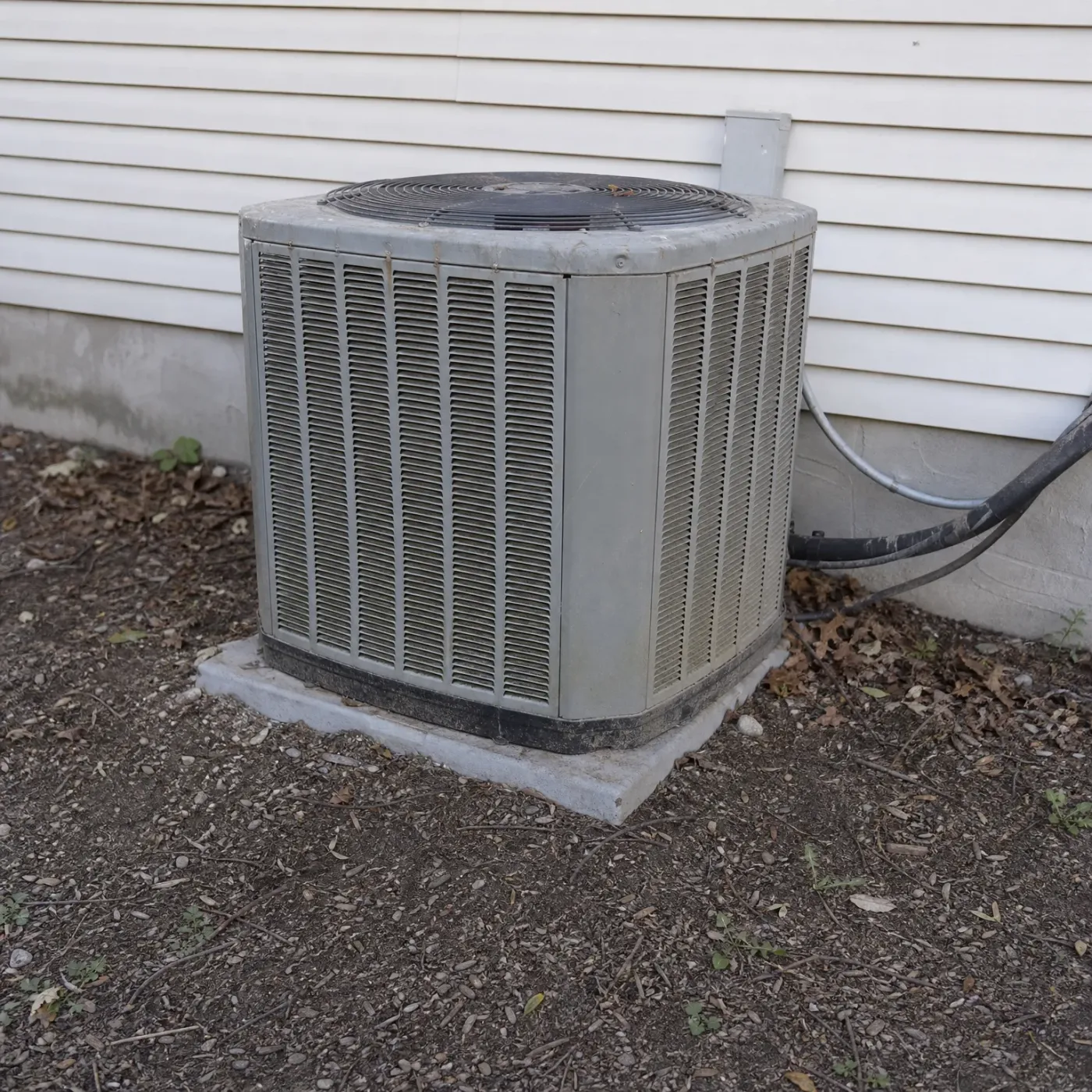
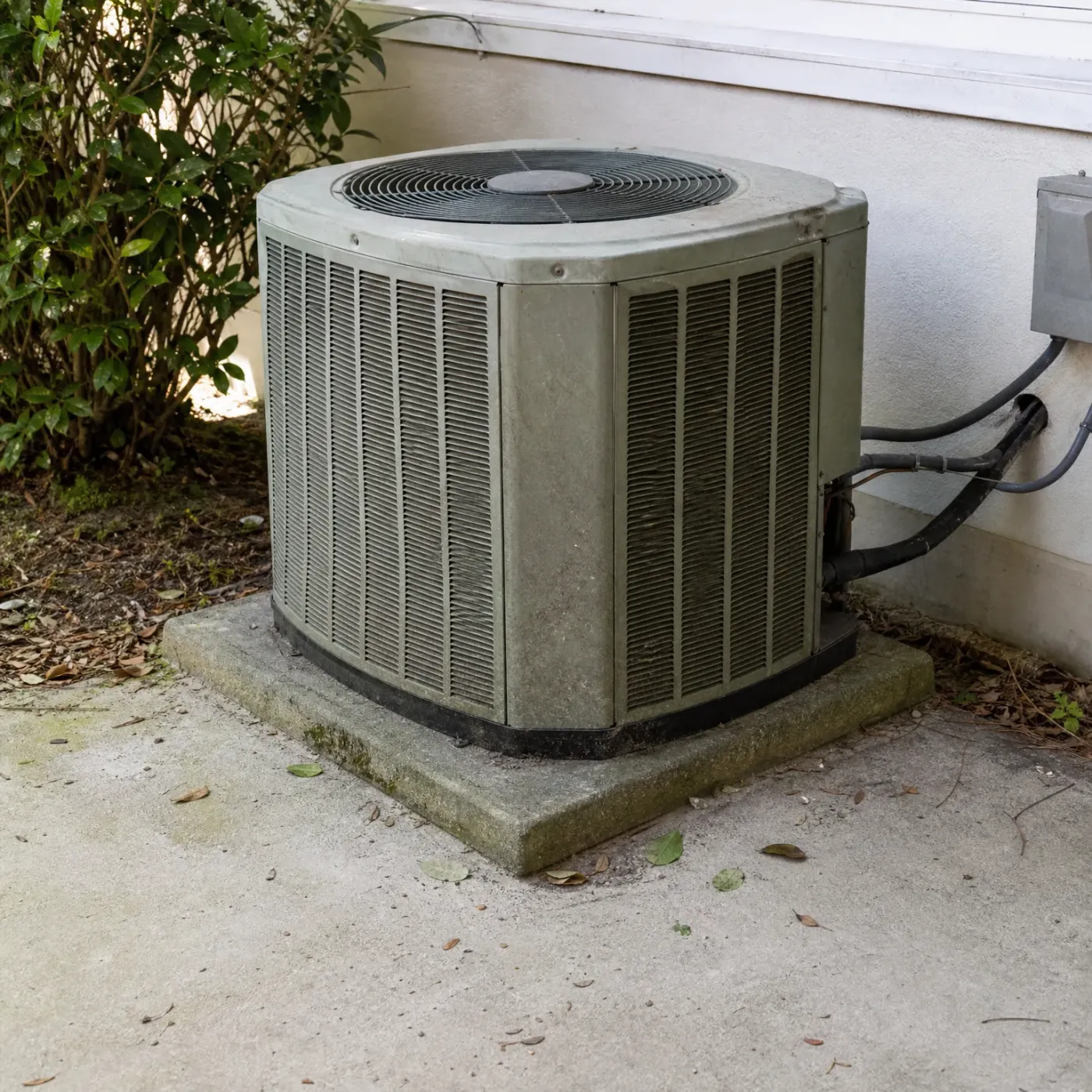
Same kind of unit, same setup against the house, but it's working harder than it should. If yours is running longer than it used to without the house feeling any drier, that's the unit fighting humidity it isn't built to handle alone.

Your air conditioner cools the house. Taking moisture out of the air is something it does along the way, not the thing it's built to do. Most rooms in most New York homes come out fine on AC alone. A basement that stays damp, a bedroom that never quite feels dry, a house that holds onto that heavy July air even at 72 degrees, that's a sign the AC is reaching its limit, not a sign it's broken.
A contractor who looks at your actual rooms, your ductwork, and how your system is running can tell you whether a whole-house dehumidifier makes sense for your house or whether a unit in one room would do it. That's not something to guess at from a search bar. Getting matched with someone who handles this in New York homes means you skip calling around and explaining your basement three different times to three different companies. You describe it once, to someone who already knows what sticky July air does to a house like yours.

A local pro for your air conditioner installation