Empire State Cooling
Profile view of a bearded man wearing a black baseball cap and a dark gray T-shirt against a plain light background.

Is a two-stage AC worth it in New York

Step 1 of 3: Equipment

Is a two-stage AC worth it in New York?

You keep seeing two-stage air conditioners mentioned when you look into a new install, usually at a higher price than a standard single-stage unit. With how sticky summers get here and how much power costs in New York, you want to know if paying more for two-stage actually does anything for you or if it is just an upsell.

Yes, for most New York homes it earns back its cost in comfort and lower bills

A two-stage AC runs at a lower speed most of the time and only shifts to full power on the hottest days. A single-stage unit has one setting: full blast, then off. In New York, summer brings long stretches of humid weather broken up by shorter heat waves, which is exactly the pattern a two-stage system is built for. Running on low speed for hours at a time pulls more moisture out of the air than a single-stage unit cycling on and off, so the house feels less sticky at the same thermostat setting. With electricity costing what it does here, a system that spends most of its summer running at partial power instead of full blast tends to cost less to run month to month.

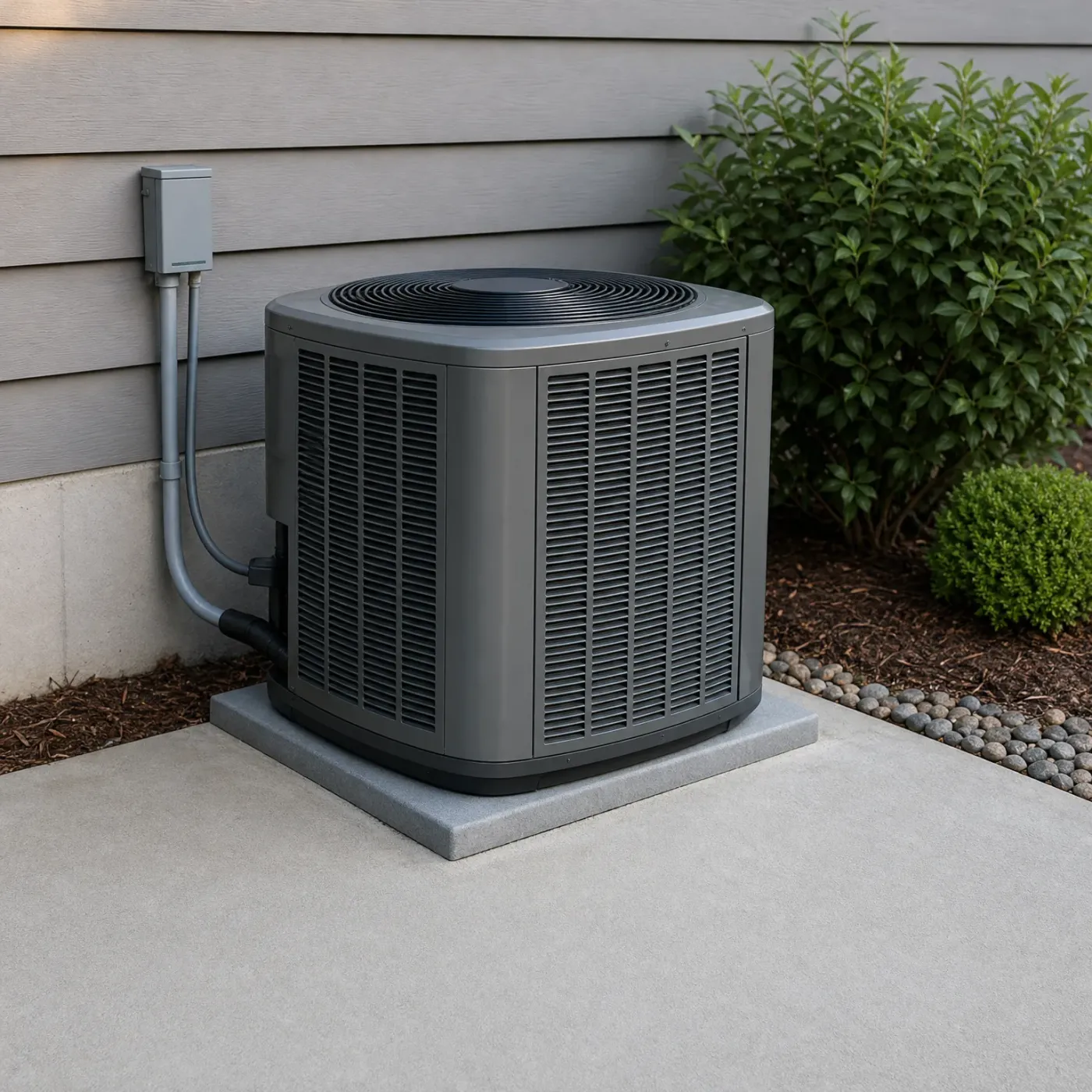
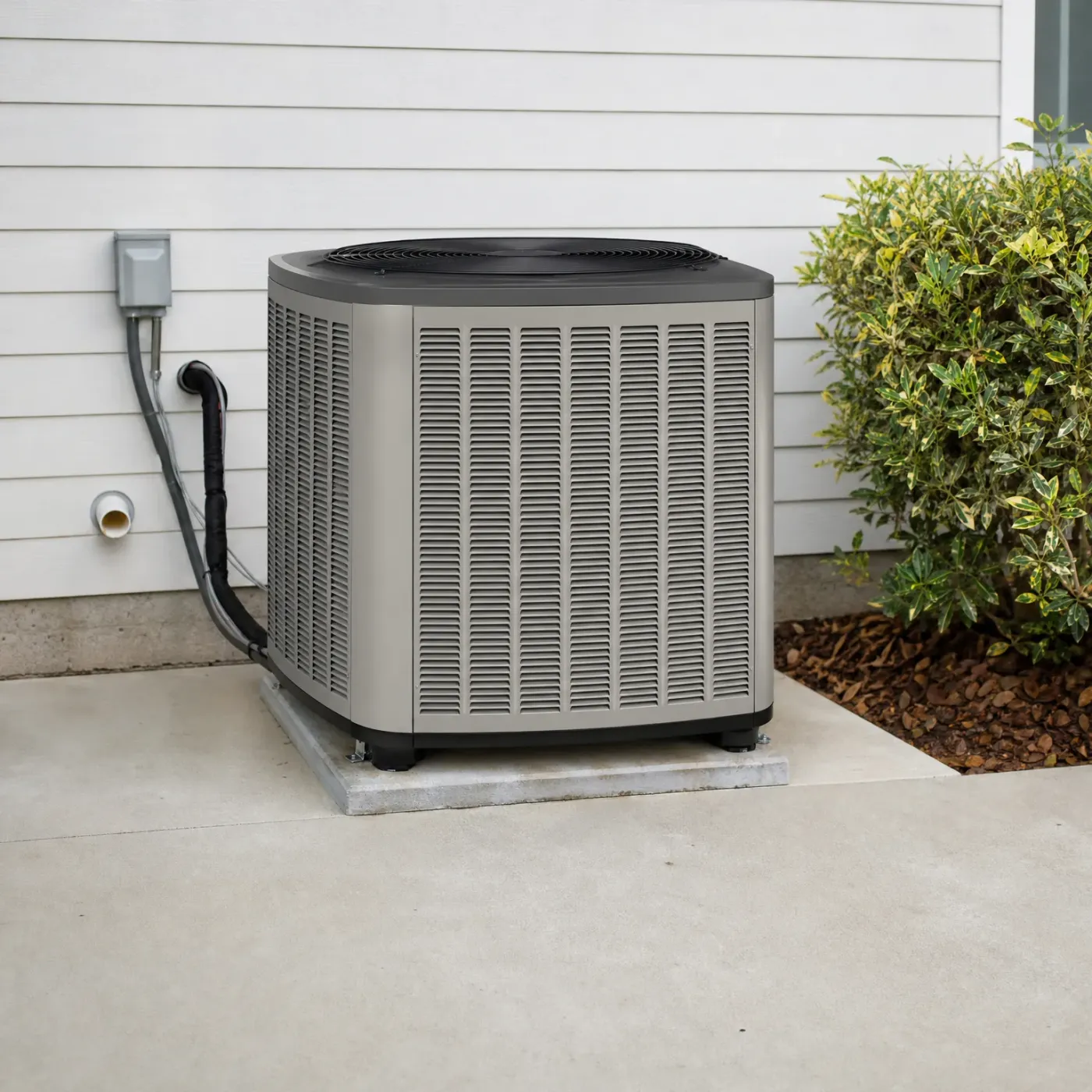
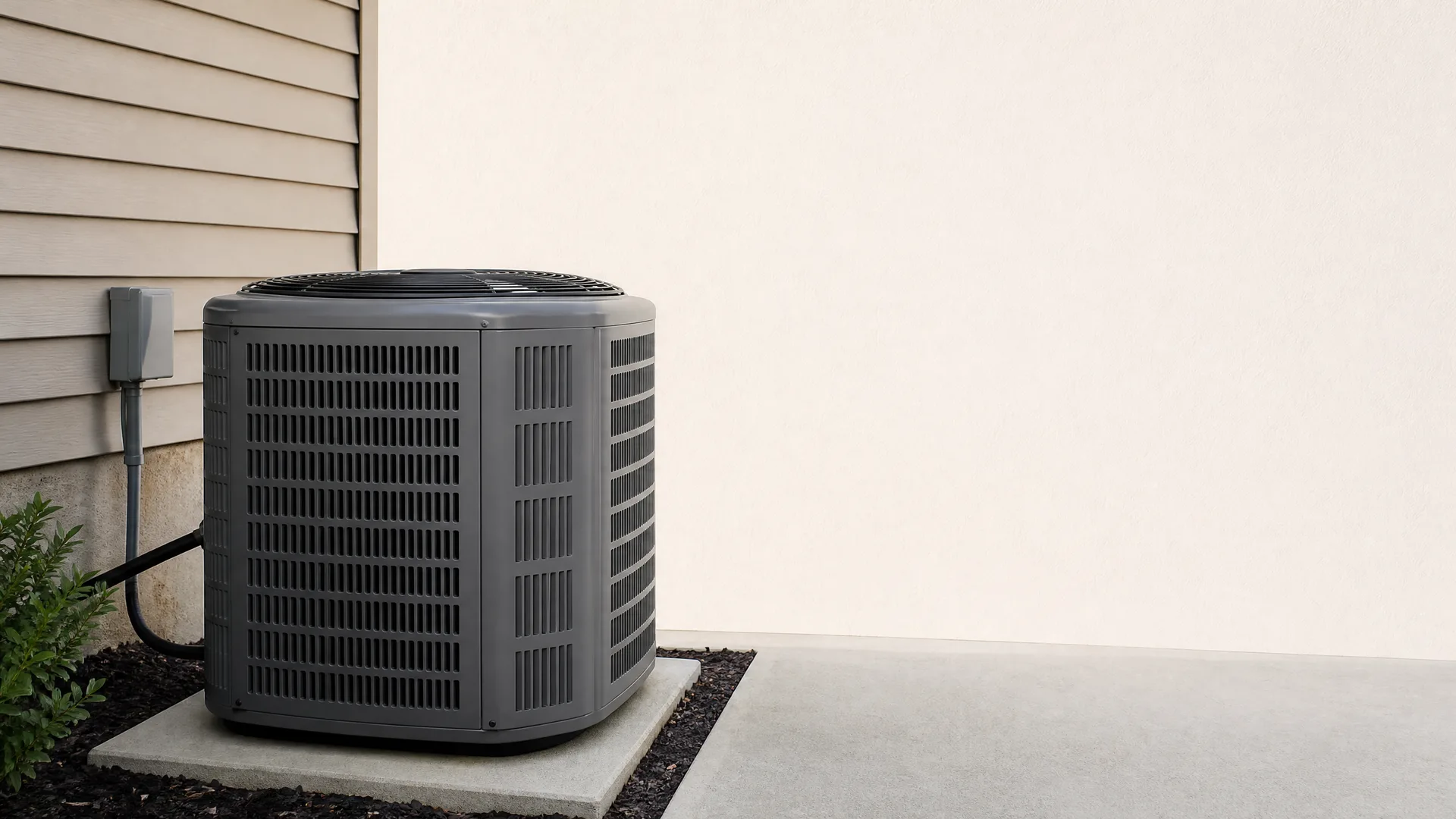
A gray outdoor air conditioner condenser unit on a concrete pad beside a house with horizontal siding and a light stucco wall, with a disconnect box and refrigerant lines on the wall and a shrub and mulch bed at left.

What low stage actually does

A single-stage AC has one setting: full blast, until the thermostat is satisfied, then off. A two-stage unit runs most of its hours at a lower output, moving air for longer stretches instead of short, hard bursts. That longer runtime pulls more moisture out of the air passing over the coil. In a muggy New York summer, that's the difference between a house that feels cool and dry and one that feels cool but still damp.

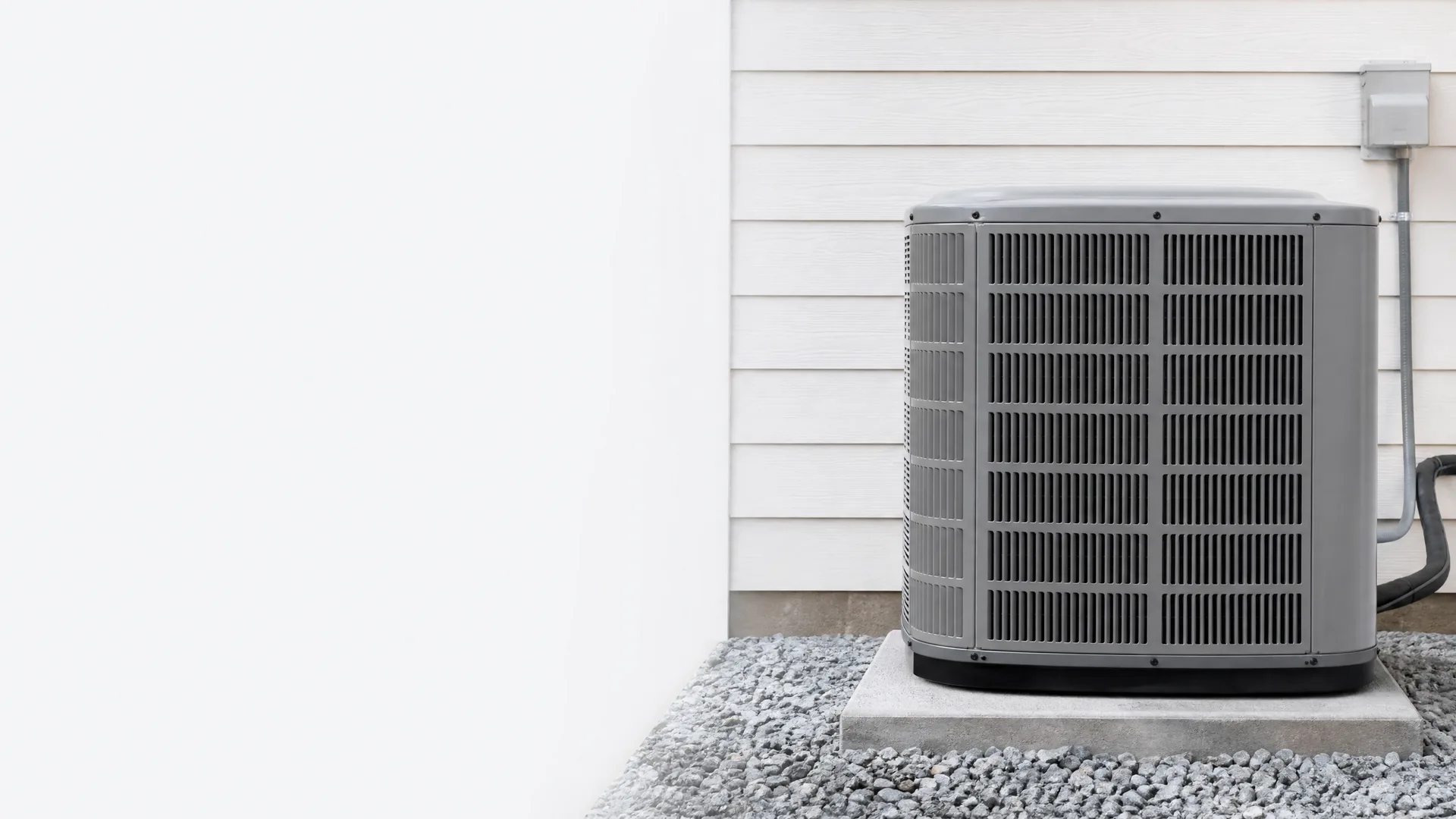
A gray outdoor air conditioning condenser unit on a concrete pad surrounded by gravel, next to a white horizontal-lap-sided house wall with an electrical box and conduit, against a blank white background on the left.

Where the savings come from

Full-speed compressors pull the most current they'll ever pull every time they start. A two-stage compressor spends most of its time at the lower stage, drawing less power per hour it runs, and starts less often since it doesn't shut off and cycle back on as quickly. With electricity priced the way it is in New York, fewer high-draw starts and more low-draw hours is what shows up smaller on the summer bill.

Single-Stage or Two-Stage AC

Single-stage

  • Costs less to install than a two-stage unit of the same tonnage.
  • Runs at full output every time it turns on, so each room cools fast once air starts moving.
  • Cycles on and off more through a muggy July afternoon, which means more starts and stops on the compressor.
  • Fewer parts inside the unit, so there's less that can fail on it over the years.
  • Humidity gets pulled out in short bursts rather than steadily, so the air can feel damp between cycles even with the temperature on target.
  • A straightforward match for a smaller house or an apartment where one steady load is normal.

Two-stage

  • Higher purchase price for the equipment and the install than a single-stage system.
  • Spends most of a New York summer in low stage, moving air steadily instead of blasting and shutting off.
  • Longer, gentler runtimes pull more moisture out of the air over the course of a day.
  • Fewer full-power cycles means less wear on the compressor over the life of the system.
  • Needs a thermostat and ductwork sized to work with two stages, which matters if either is already in place from an older system.
  • Power here runs high, so hours spent in low stage instead of high stage show up on the electric bill over a full summer.
  1. Thermostat calls for cooling and the compressor starts on low stage

  2. Low stage runs the compressor at roughly 65 percent capacity

  3. Indoor and outdoor fans move air at the matching lower speed

  4. Unit holds low stage as long as it can keep up with the heat

A gray outdoor air conditioner condenser unit on a concrete pad beside a house with horizontal lap siding, with a wall-mounted disconnect box and conduit at left and a green shrub and mulch bed at right.
A two-stage system runs quietly on low most of the day, holding the house steady through a muggy stretch.
An outdoor air conditioner condenser unit on a concrete pad beside a house with horizontal lap siding, with a conduit running to a gray electrical disconnect box on the wall.
A single-stage unit that's struggling to keep up will short cycle, running full blast and shutting off again and again.

What This Means for Your House

  • A two-stage unit holds a steadier indoor temperature, so upstairs bedrooms don't swing warm by late afternoon the way they do with a single-stage system.
  • Lower, longer runtimes pull more moisture out of the air over a muggy day, which matters most in a New York July or August.
  • A single-stage AC that short cycles on the hottest afternoons wears its compressor and contactor faster than one that holds a steady low stage.
  • With New York power rates among the highest in the country, a unit that runs on low most of the time instead of full blast every cycle shows up on the bill.
  • A gas furnace paired with a two-stage AC still needs the right air handler and ductwork to move that lower airflow, so the install has to match the house.
  • A two-stage compressor has more to go wrong than a single-stage one, so a correct, careful install matters more than it does with the simpler unit.

Picture a July afternoon with the sun on the upstairs windows. With a single-stage unit, that room gets hot, the AC slams on at full blast, cools it down fast, then shuts off and lets it climb again. A two-stage system skips most of that swing. It settles into low stage and just stays there, so the upstairs stays closer to where you set it instead of chasing the temperature up and down all day.

That steadier runtime does more than hold the temperature. Moving air slowly over the coil for longer stretches pulls more humidity out of it, which matters on the kind of sticky August day New York gets plenty of. A single-stage unit cooling in short, hard bursts doesn't get the same chance to dry the air before it shuts off.

There's a cost to the short-cycling too. Every time a compressor kicks on at full output, it's a harder start than easing into low stage, and a unit doing that over and over on the hottest days wears its parts faster.

None of this works right without the install behind it. A two-stage compressor only pays off if the air handler and ductwork can actually move air at that lower airflow, and if whoever installs it sets it up correctly from the start. Get that wrong and you've paid more for a unit that never runs the way it's supposed to.

A woman with shoulder-length brown hair wearing a beige knit cardigan sits in a gray upholstered armchair near a window, looking off to the side with a slight smile, with bookshelves blurred in the background.
A woman and a sleeping child wrapped together in a cream knitted blanket on a couch, with a potted plant, framed photo and lit lamp in the background.

Let someone else find the pro

Your request stays with one local pro.

Asking costs nothing, and the choice to hire stays yours.

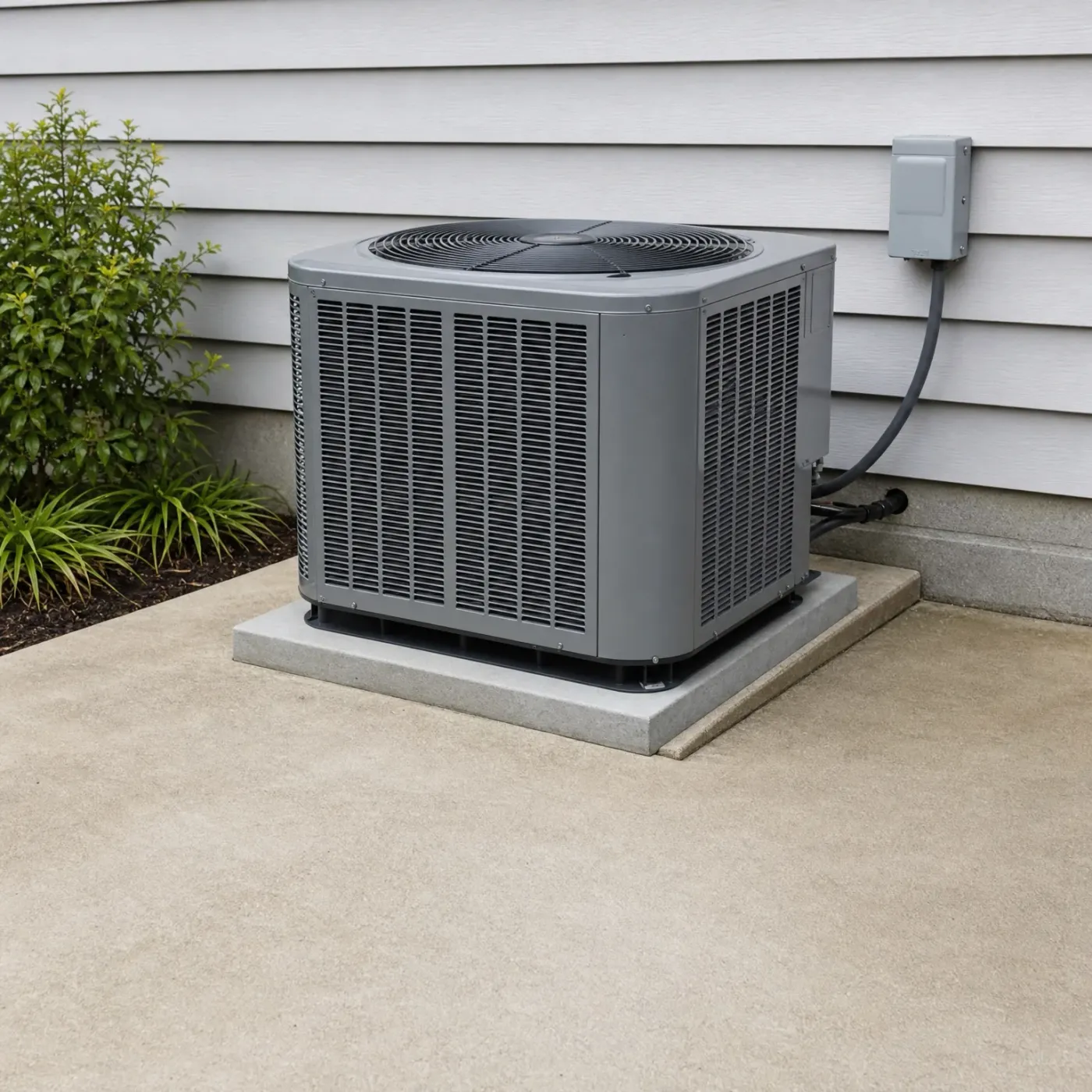
A gray outdoor air conditioning condenser unit on a concrete pad beside a house with horizontal lap siding, with a wall-mounted disconnect box and conduit, and shrubs to the left.

A unit running the way it should

This is what a healthy condenser looks like: clean coils, clear ground around it, nothing blocking airflow on any side. A two-stage or single-stage unit both depend on this. Whichever you choose, the install matters as much as the equipment.

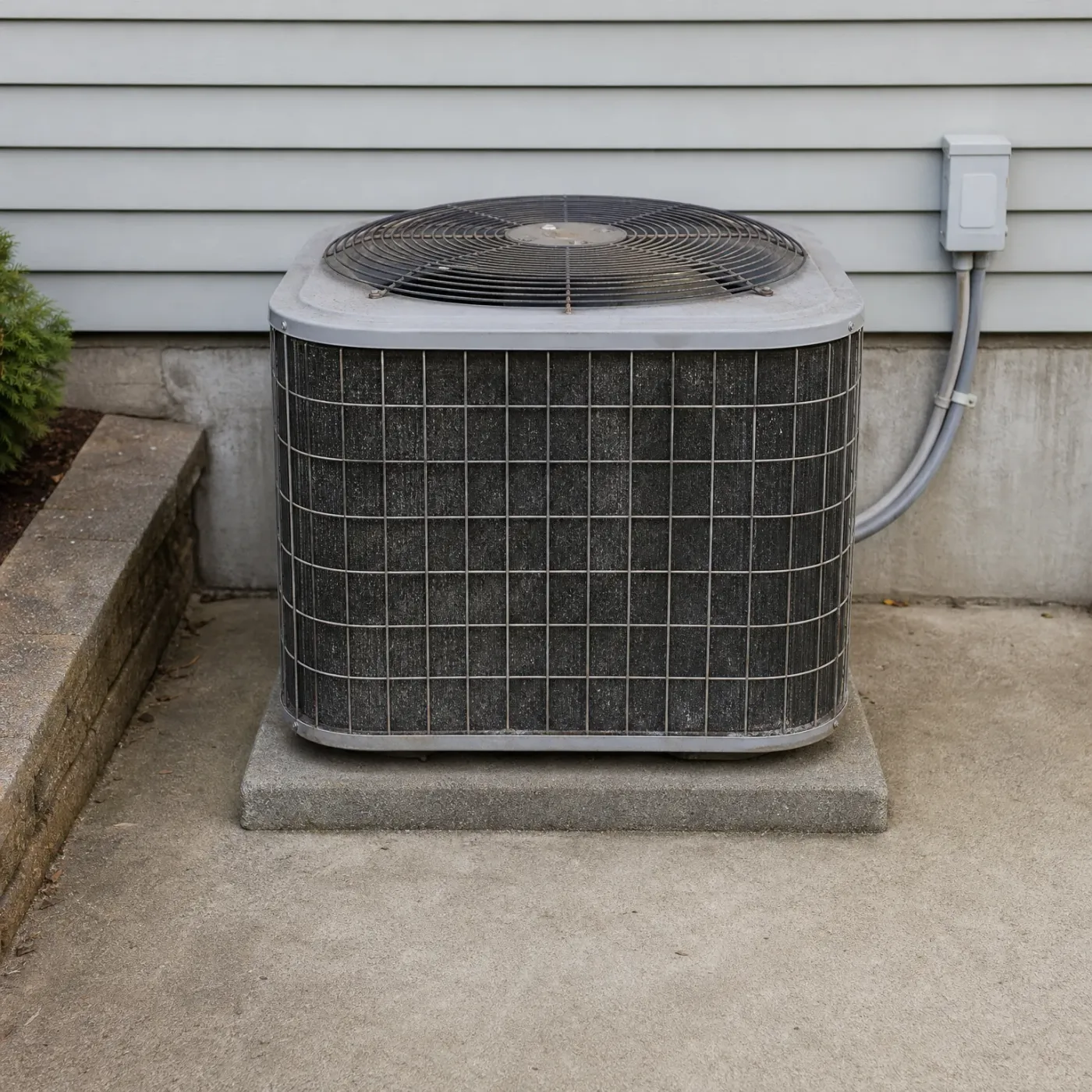
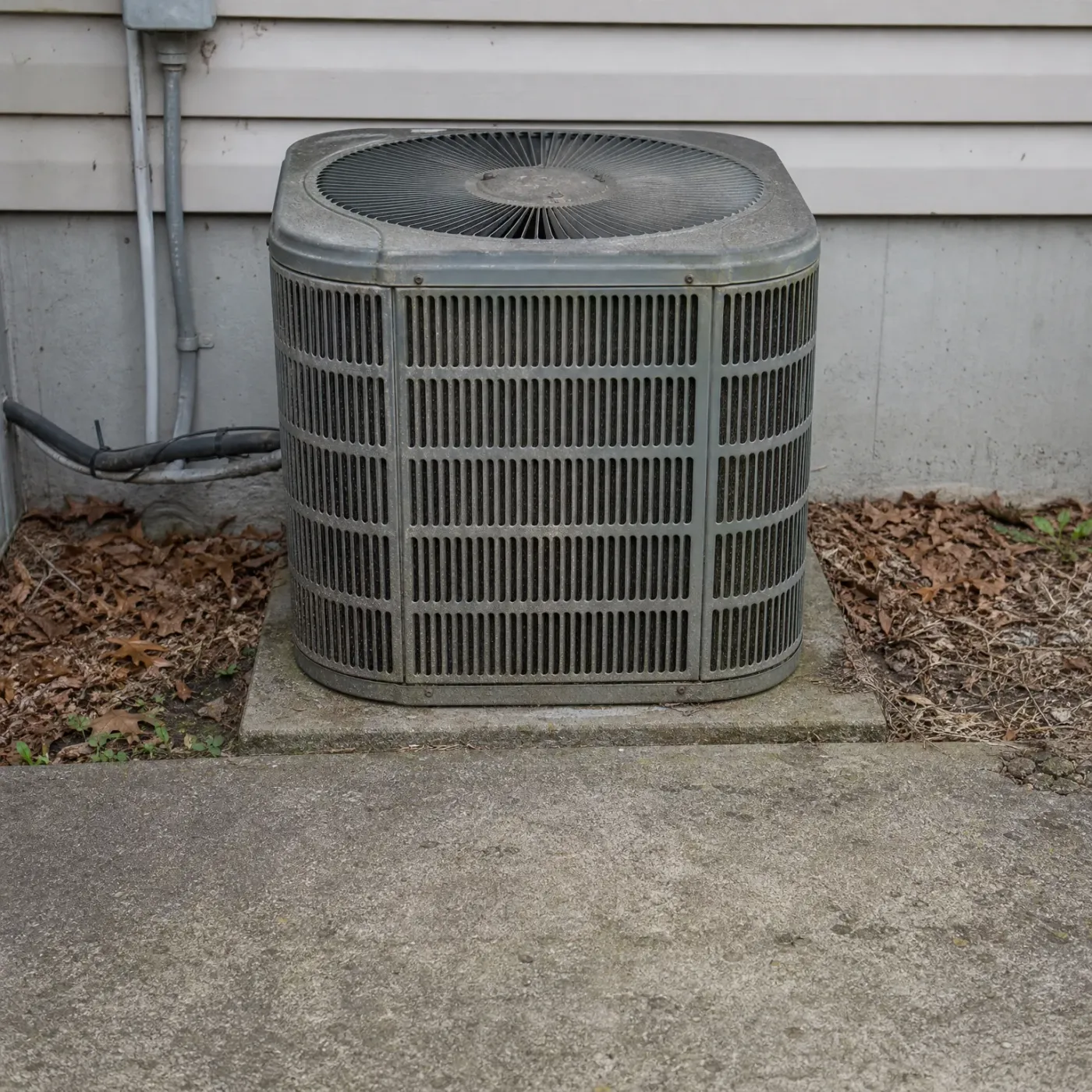
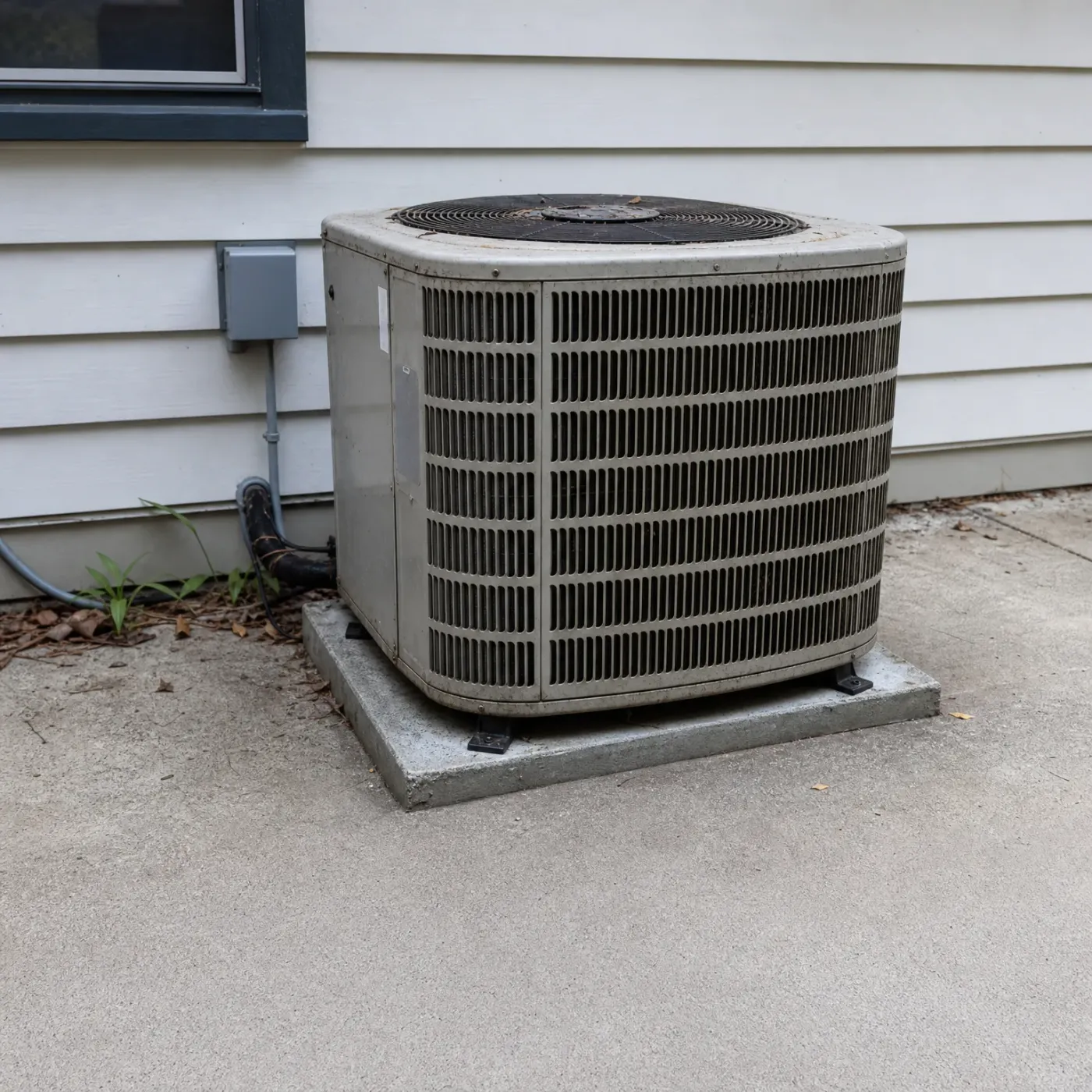
An outdoor air conditioning condenser unit on a concrete pad beside a house with horizontal siding and a concrete foundation, with dry brown leaves on the ground to either side.

A unit nobody's looked at in years

Leaves packed against the coil, grime built up on the cabinet, lines exposed to weather along the wall. A two-stage compressor working through buildup like this loses the advantage it's built for. Age and neglect wear down either kind of system the same way.

A man with grey hair and stubble in a dark sweater sits on a grey sofa indoors, looking off to the side, with a potted plant and a sunlit window behind him.
A man with gray hair, a beard and glasses, wearing a dark green sweater, sits on a gray sofa in a sunlit living room with a potted plant, table lamp and wooden sideboard behind him.
A middle-aged man with graying hair and a short beard sits on a blue sofa in a living room, looking toward a window, with a bookshelf, lamp and framed picture in the background.
A man with graying curly hair and a dark green sweater sits on a gray sofa in a sunlit living room, looking off to the side, with a framed picture, shelving, an armchair and a window with sheer curtains behind him.

Right size, standard stage

A single-stage system sized correctly for your house and installed with the right airflow will handle most New York summers without the upgrade.

Find a local pro

Same house, two-stage

That same house with a two-stage unit spends more hours on low, holding temperature steadier and pulling more moisture out on the muggiest days.

Find a local pro
An outdoor air conditioning condenser unit on a concrete pad beside a house with light vinyl siding, an electrical disconnect box and conduit on the wall, bare shrubs and mulch to the right, and a concrete walkway in the foreground.
Before you get your air conditioner installation
An outdoor air conditioner condenser unit on a concrete pad beside a house with beige horizontal siding and a stone-veneer base, with refrigerant lines running to a gray wall-mounted electrical box, surrounded by dark mulch, a flowering shrub and an evergreen on the left.
After you get your air conditioner installation
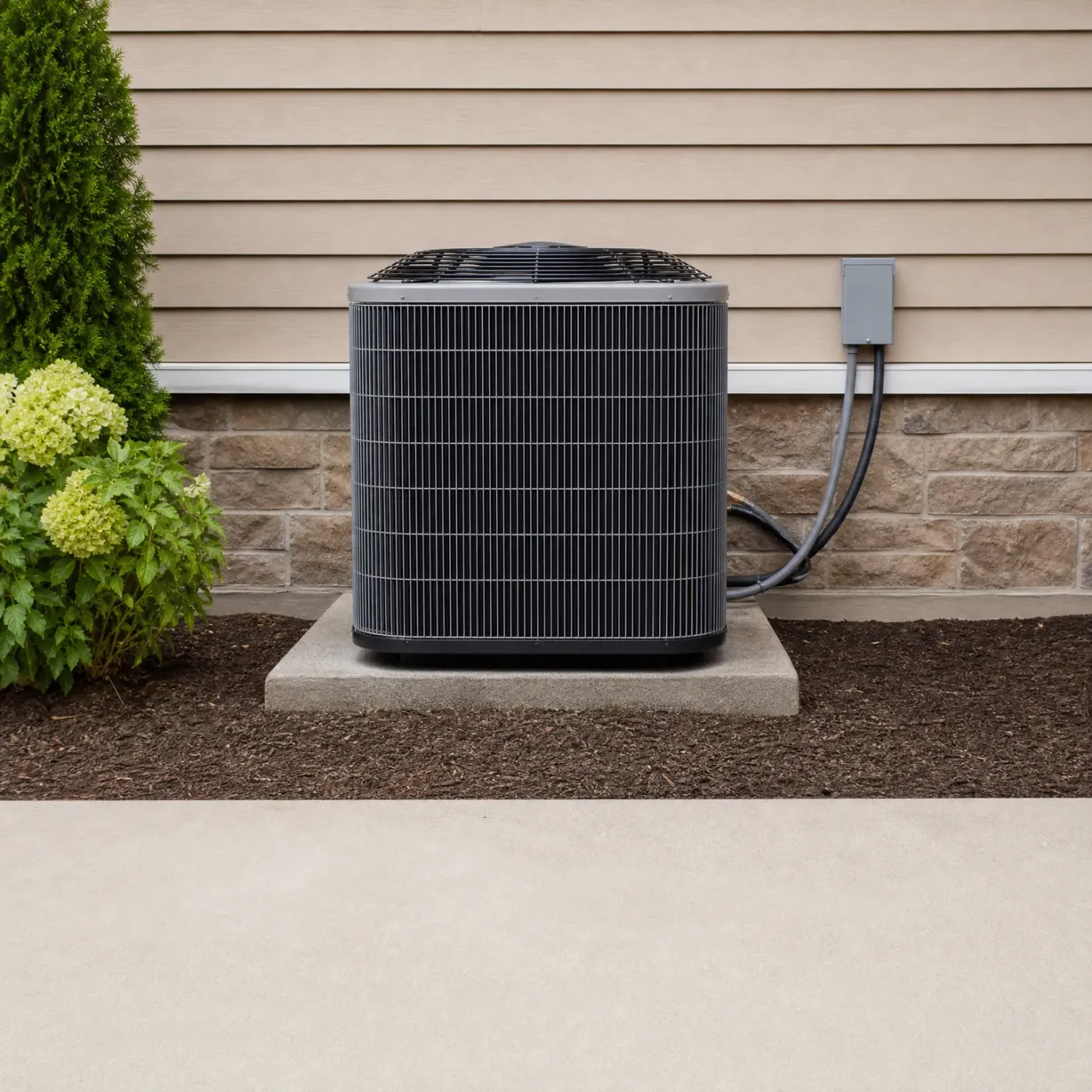
An outdoor air conditioning condenser unit on a concrete pad beside a house with white horizontal lap siding, with an electrical disconnect box and insulated refrigerant line on the wall and a shrub over mulch to the right.

Working the way it should

This is a condenser doing its job. Refrigerant lines run clean along the wall to the disconnect box, nothing stacked against the cabinet, airflow clear on every side. Stage or no stage, a unit needs this just to run the way it's supposed to.

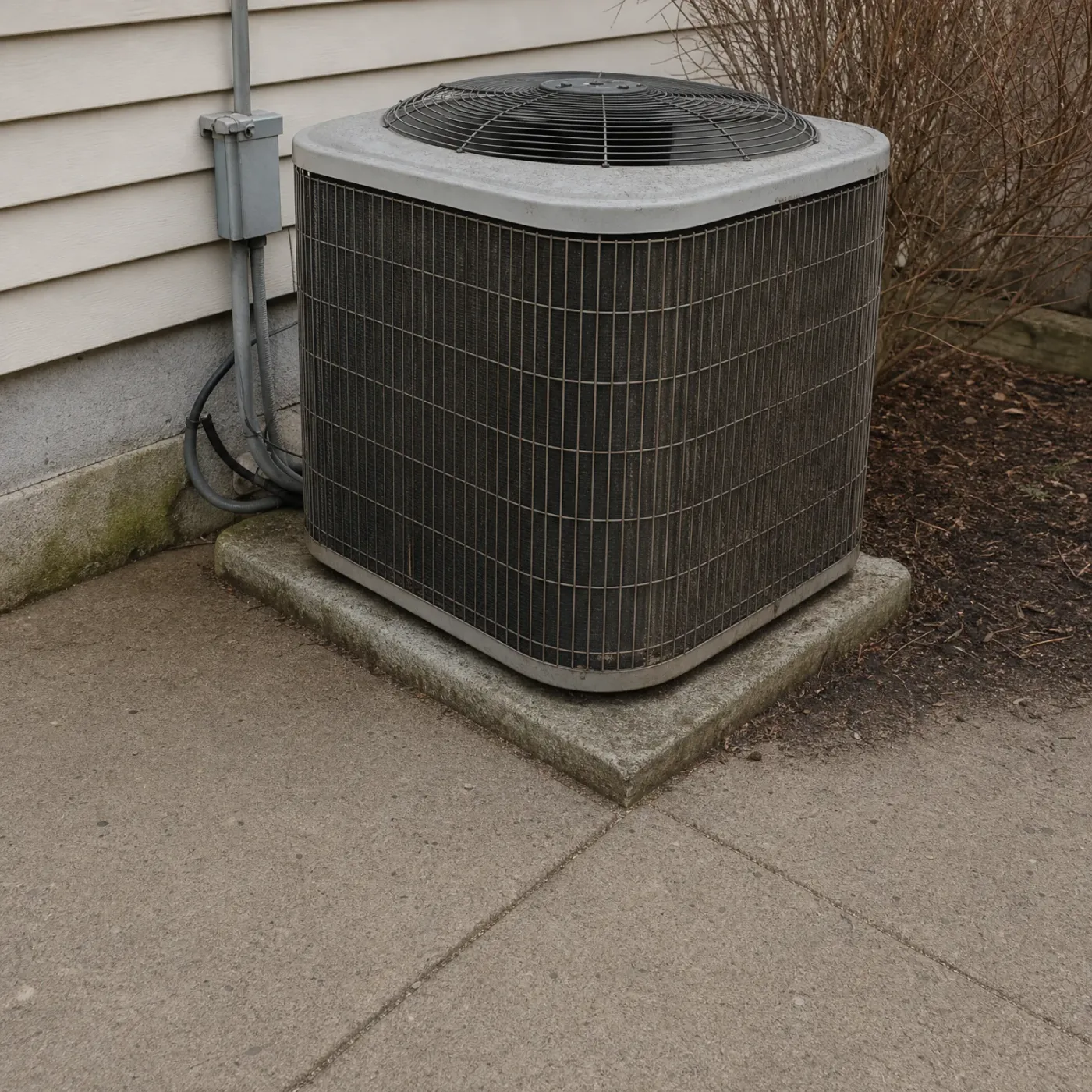
An outdoor air conditioner condenser unit on a concrete pad beside a house with light horizontal lap siding, with an electrical disconnect box and conduit on the wall behind it.

Struggling to keep up

Weathering like this often comes with years of a unit working harder than it should, especially one that's been short cycling through New York summers. If yours looks like this, a two-stage replacement is worth asking about when you get the new install quoted.

Power costs 26.39 cents per kilowatt-hour statewide

At 26.39 cents a kilowatt-hour, every hour your AC spends blasting full output costs more here than almost anywhere else. A two-stage unit spends more of its time at that lower 65 percent draw instead, so the savings on your bill from running low stage longer add up faster than they would somewhere with cheaper power.

EIA-861 2025 statewide residential average

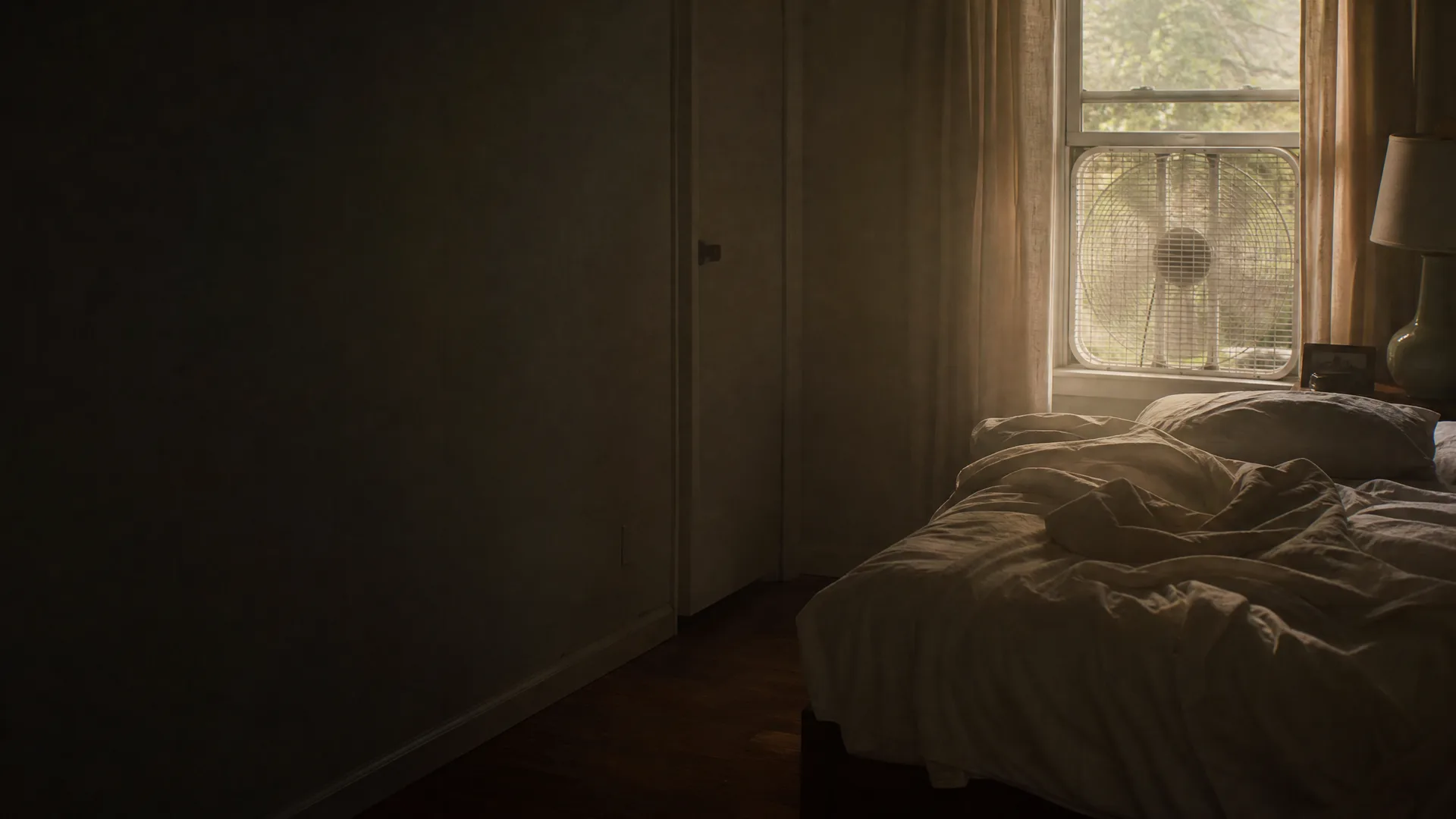
A dim bedroom with an unmade bed beside a window holding a box fan, with sheer curtains, a lamp at right and a large blank wall at left.

It's a little past eight and still bright out, the sky gone that thick orange-gray it gets in late June. You're upstairs, in the bedroom at the end of the hall, and the box fan in the window is just pushing the heat around instead of pushing it out. The AC kicked off a few minutes ago, satisfied, and already the air feels thick again. You can hear it two floors down, laboring, then quiet, then laboring again. The sheets feel warm before you've even gotten into them. Downstairs was fine at dinner. Up here, by the window, with the fan on its highest setting, you're still waiting for the room to actually feel like it cooled off at all.

Why does your upstairs stay warm until late at night

You notice it most on the muggiest days. The thermostat on the main floor says it hit the set temperature an hour ago, but the bedroom upstairs still feels thick, and the air coming out of the vent doesn't feel like it's really moving. The unit outside clicks off, then back on twenty minutes later, same hard start every time. If that's been going on for a while, the compressor is working harder than it should, cycling more than it needs to just to keep the house roughly comfortable, and that extra wear adds up over a summer of days like this.

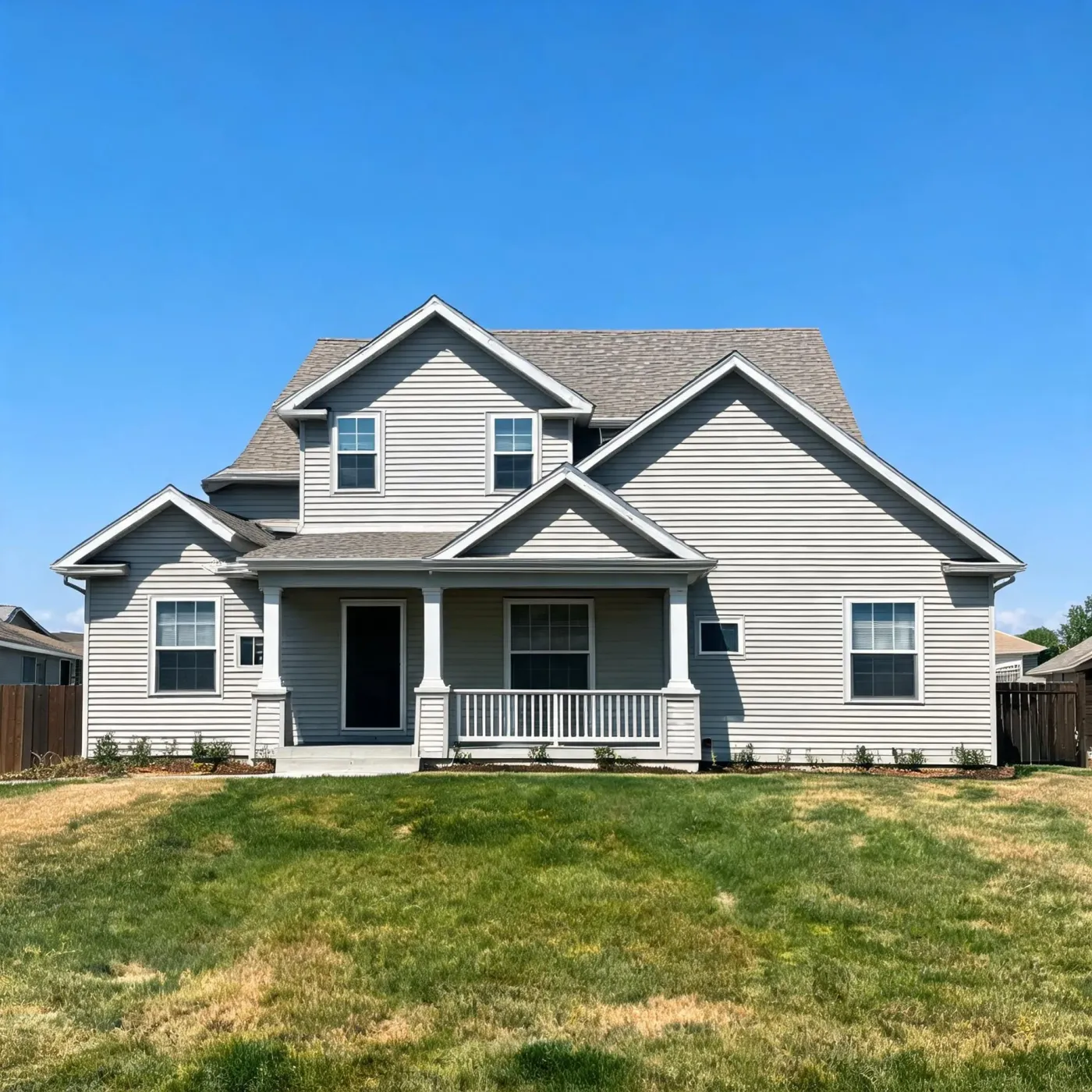
A two-story gray horizontal-siding house with multiple gables, a covered front porch with white columns and railing, and a dark front door, fronted by a patchy green and brown lawn under a clear blue sky.

The National Weather Service puts the average summer dew point across New York at 62°F for June, July and August. That's the number that tells you how heavy the air feels walking outside, not just how hot it is. Air at that dew point holds a lot of moisture, and your AC has to pull that moisture out before the house feels dry, not just cool. A single-stage unit does that in short, hard bursts, then shuts off before it's finished the job. A two-stage unit stays on longer at a lower output, which gives it more time against that same moisture. On a day like that, you'll notice it in how the air feels, not just what the thermostat reads.

NASA POWER T2MDEW county cells weighted by homes

A two-stage AC is worth it in New York if your summers keep your current system running flat out for hours at a time and your power bill shows it. If a correctly sized single-stage unit already holds your house steady, the upgrade won't earn its keep. Either way, the install matters more than the stage count. A unit that's undersized, low on charge, or set up with weak airflow will struggle no matter what's written on the nameplate. Finding someone to size it right and install it clean is the part worth getting right, and that's easier when it's one person doing the work rather than a crew juggling five other jobs that week. A local contractor who services these systems through every muggy July knows which units in which houses tend to short cycle, which ones hold low stage fine, and what usually goes wrong first when either one is installed poorly. That's the judgment call that actually decides whether you're comfortable in August, not the sticker on the unit.

Elevated view over a dark standing-seam metal roof with a stone chimney and wood-sided gable, surrounded by conifers and autumn-colored trees with forested hills under an overcast sky.

Done looking for an air conditioner pro

Get a licensed local pro

Sending the form costs nothing.

A licensed installer local to New York can size either system to your house and tell you which one actually fits how your place holds up on a muggy afternoon. Send the request and that work is off your plate.