

Catch it when it's weak
A contractor swaps the capacitor before it takes the compressor with it. The unit goes back to starting clean, no hum, no hesitation, and the repair stays small.
A bad AC capacitor usually shows up as the outdoor unit humming but not starting, or the fan running while the air stays warm. Some units click repeatedly as they try and fail to start. Others start fine but shut off within a few minutes, especially on the hot, humid afternoons that are hard on the system all summer. The capacitor stores the jolt of power needed to start the compressor and fan motors, and once it weakens, those motors can't kick on or can't keep running under load. You might also notice the unit running warm to the touch near the electrical panel, or a faint burning smell. None of this fixes itself, and running the system while it struggles to start can wear on the compressor, which costs far more to replace than a capacitor. Catching it at the humming or clicking stage, before the system stops cooling altogether, is the cheaper and easier place to be.
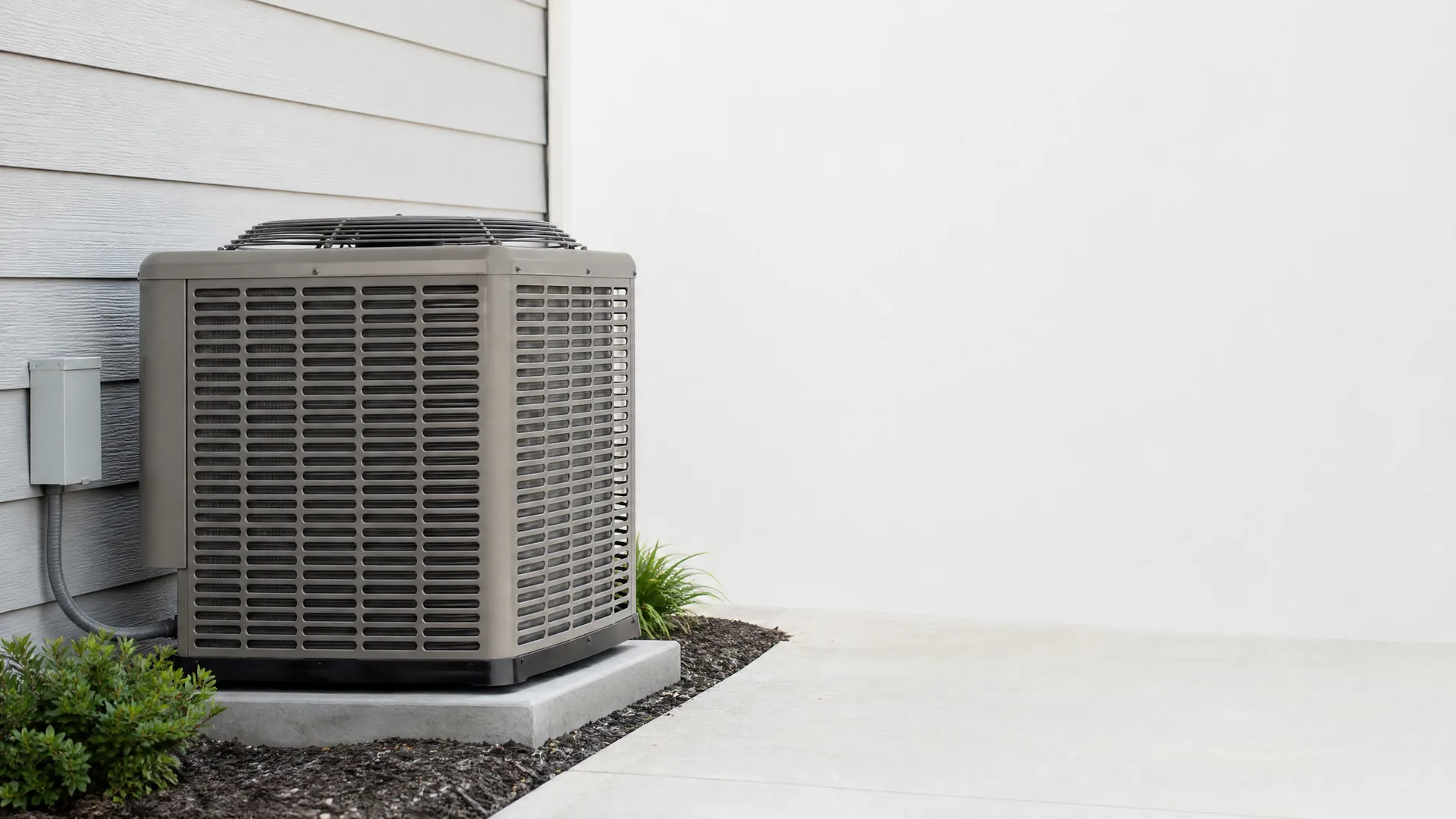
The capacitor stores a charge and releases it to get the compressor and fan motor moving, then helps keep them running steady. A motor needs that extra push to overcome its own resistance at startup. When the capacitor weakens, it can't deliver that push. The motor tries to turn, can't, and you hear the hum or the click instead of a clean start.
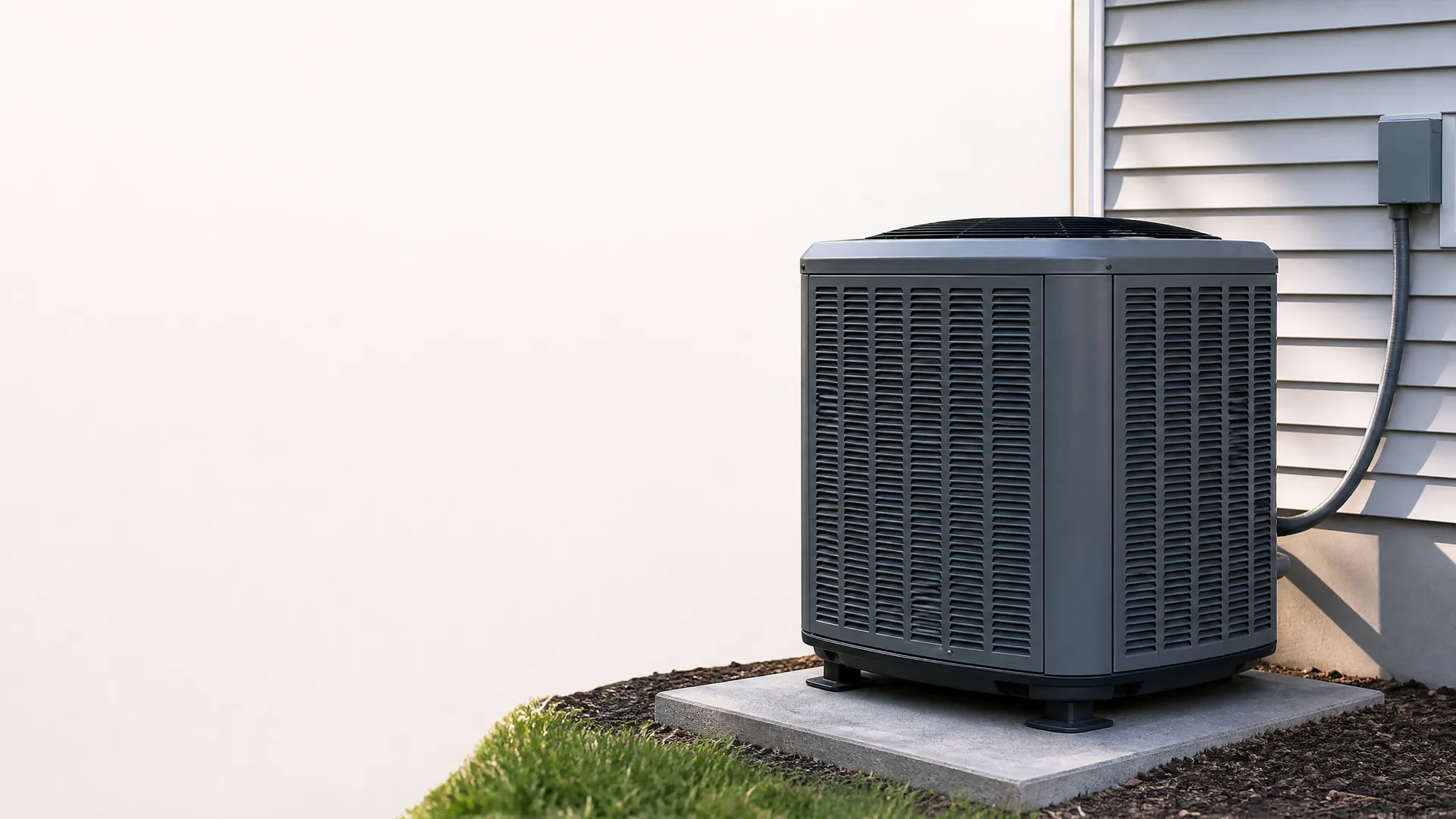
Capacitors wear out faster in heat, and the outdoor unit sits in direct sun all summer with no shade from the cabinet around it. A unit running most of the day on a sticky New York afternoon puts more hours and more strain on that capacitor than one that cycles on and off a few times. That's why these failures tend to show up in July and August rather than in a mild stretch of May.
You might notice the outdoor unit humming but the house not cooling, or warm air coming through the vents even with the thermostat set low. Some homeowners hear a clicking sound every few minutes as the unit tries to restart on its own. Others see the fan spinning while the compressor stays silent. If the system shuts off a few minutes after it starts, especially on the hottest afternoons, that is the capacitor losing its charge under load. Left alone, a weak capacitor forces the compressor to draw more current trying to start, and that strain can burn out the compressor itself. A system that short-cycles all day also runs up your electric bill without actually cooling the house.




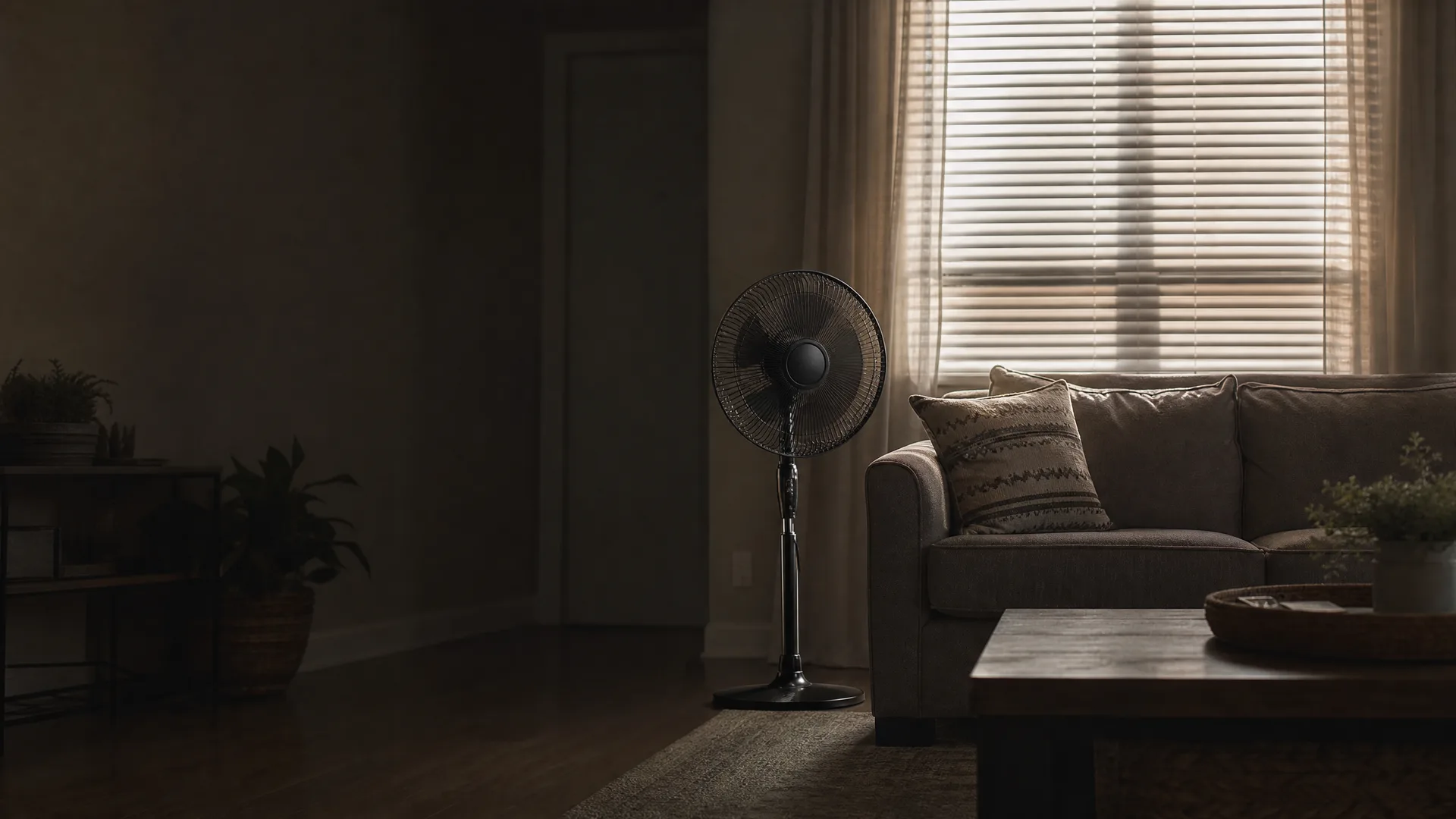
By three in the afternoon the blinds are drawn against the sun and the living room still feels thick. You've got the floor fan angled at the couch, pulling what cool air there is off the vent and pushing it toward you. The thermostat says seventy-two. The room doesn't believe it. Outside you can hear the condenser humming, that same half-second drag before it catches, the sound you've noticed for a few days now and kept meaning to deal with. New York summers don't give you room to wait this out. You fill out the form on your phone, send it off, and for the first time since lunch you're not thinking about the heat. Someone else is going to take it from here.
Send the request today and let an air conditioner pro reach out to you.
Asking costs nothing, and the choice to hire stays yours.
Let it run while it still cools some days a week. Ignoring the humming or clicking doesn't fix it. The compressor keeps straining to start, and that strain is what ends in a dead unit on the day you need it most.
Get it checked before it fails outright. A capacitor that's already weak is cheap to replace next to a compressor that burned out from months of hard starts in the New York heat.


If the capacitor is weak but not gone, a contractor can test it and swap it before it takes anything else with it. This is usually a short visit. The unit comes back to running the way it did before, humming and hesitation gone. Nothing else in the system has been asked to compensate for the bad start, so the compressor hasn't taken extra wear from it. This is the cheaper visit and the more predictable one. You know what's wrong going in, and fixing it doesn't depend on what else the strain may have damaged. A New York July doesn't let up enough to leave this for later. Once the unit is humming or clicking on startup, the question isn't whether it fails, it's when, and catching it now keeps that answer in your hands instead of the weather's.
Wait long enough and the failing capacitor can take the compressor with it, since every hard start draws current the motor isn't built to handle. At that point the repair isn't a capacitor anymore. A compressor is the most expensive part in the unit, and some homeowners are told replacing it isn't worth it next to replacing the whole system. That decision costs more and takes longer to arrange than a capacitor swap would have. It also tends to land on the worst possible day, since the final failure is often a hot one, the unit having been asked to work hardest right when it was already weakest. A contractor can still diagnose it at that point. There's just more to find, and less choice in what gets done about it.
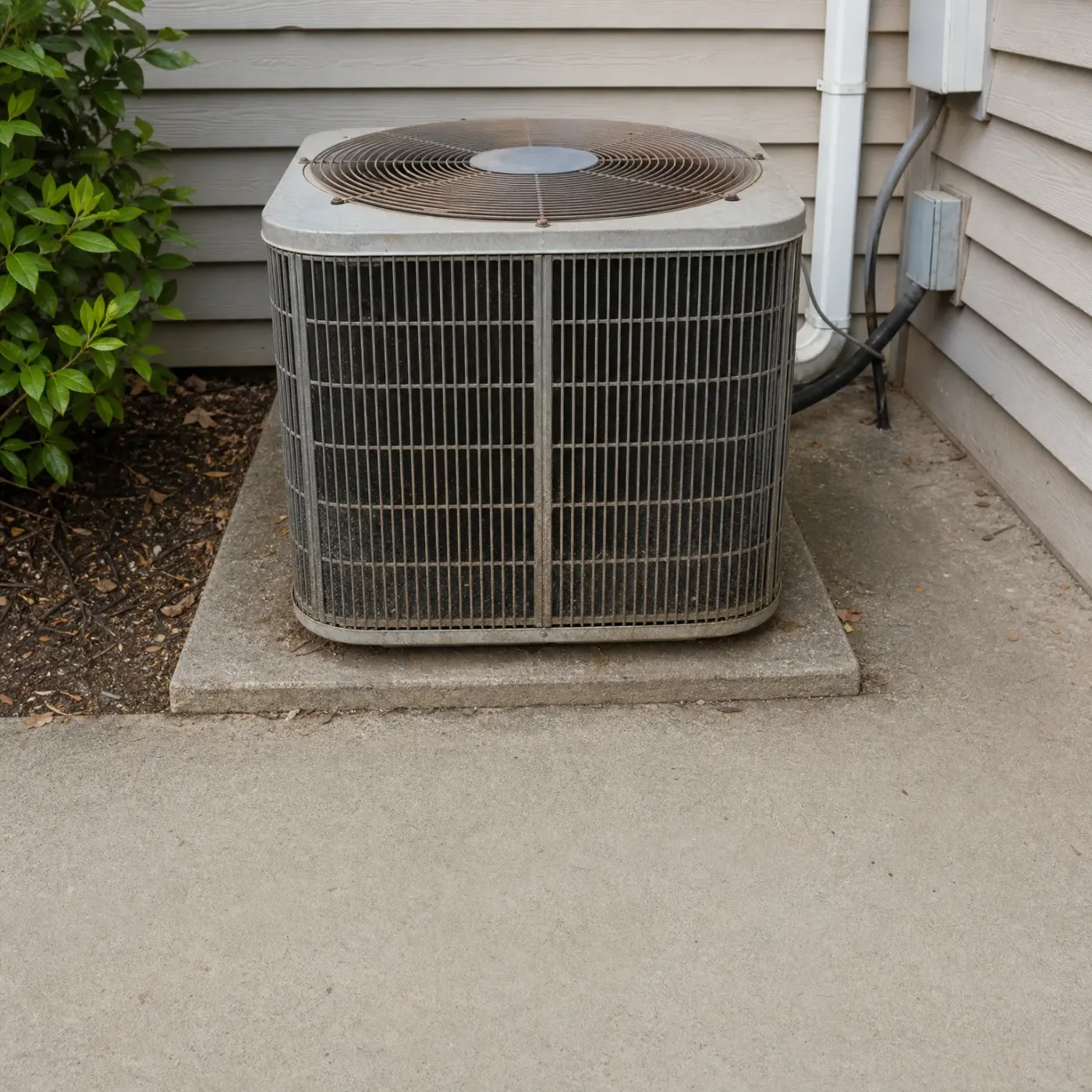
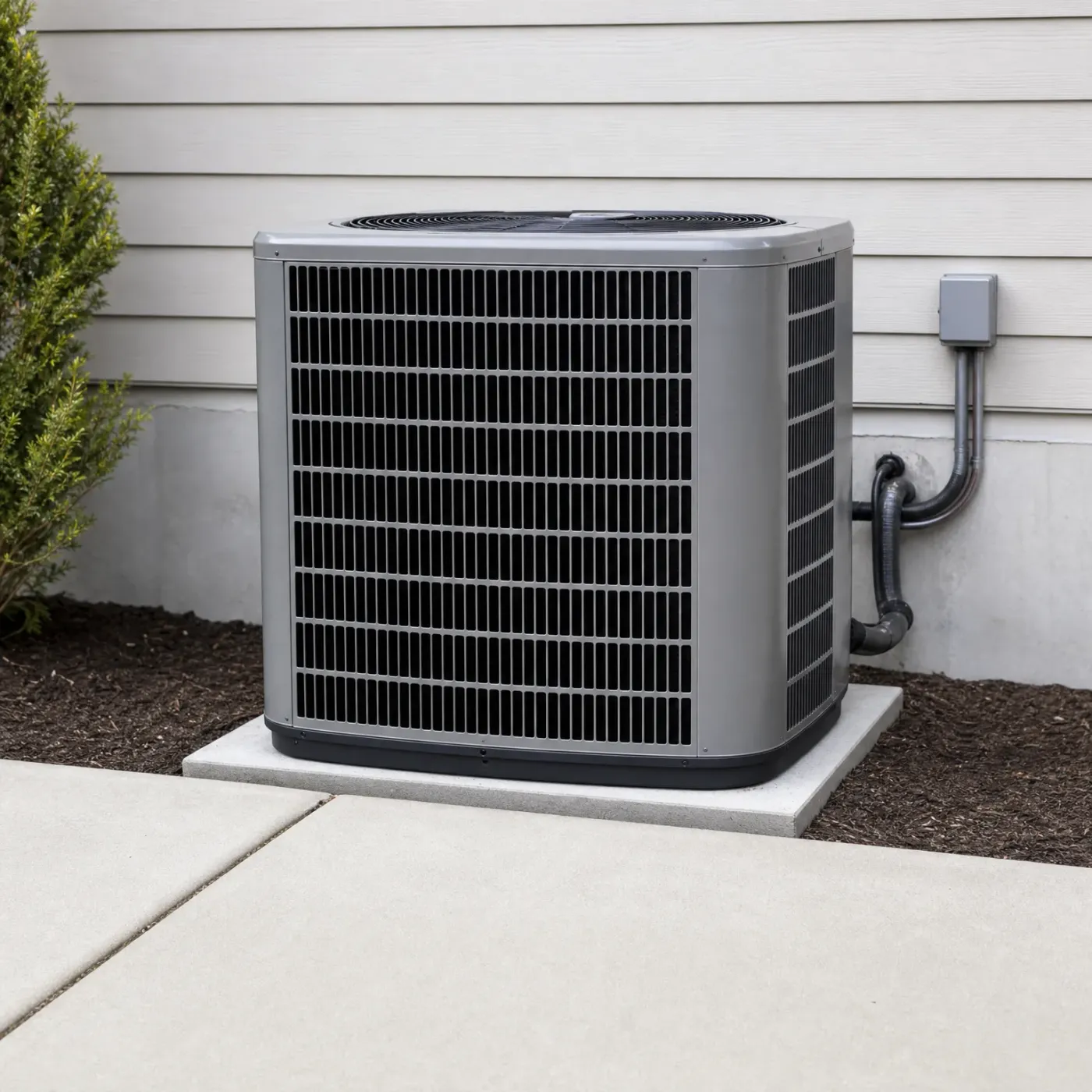
A contractor swaps the capacitor before it takes the compressor with it. The unit goes back to starting clean, no hum, no hesitation, and the repair stays small.
A fully failed capacitor leaves the compressor unable to start at all. What was a quick swap turns into a bigger repair, usually on the afternoon you need the AC most.

The run capacitor fires the compressor and fan motor the instant the thermostat calls for cooling, then keeps feeding them a steady charge the whole time the unit runs. A motor pulls far more current to start turning than it needs once it's moving, and the capacitor is what supplies that extra push. When it wears down, the motor doesn't get enough to overcome its own resistance, so it hums and strains instead of catching. Capacitors don't fail all at once most of the time. They lose a little capacity each summer they run, especially on the days your AC cycles on and off for hours straight trying to keep up with the heat.
That's the part worth knowing before you call anyone: a weak capacitor and a dead one look different but come from the same wear. Describing what you're hearing, the humming, the delay before it starts, whether it's getting worse week to week, gives a contractor a head start on what's actually wrong before they're even at your house. Once you send in what's going on, finding the right person for it is off your plate. You just wait to hear from them.


Summer air in New York carries a dew point around 62°F, averaged across June, July and August, according to NOAA climate data. That's the kind of mugginess where the air already feels heavy before your AC even turns on, and it means the unit has to pull more moisture out of the air to make the house feel comfortable, not just cool it down. A capacitor that's already weak has to push the compressor through more load on days like this. You'll notice it first on the stickiest afternoons, when the unit hums a little longer before it catches, or doesn't catch at all.
NASA POWER T2MDEW county cells weighted by homes
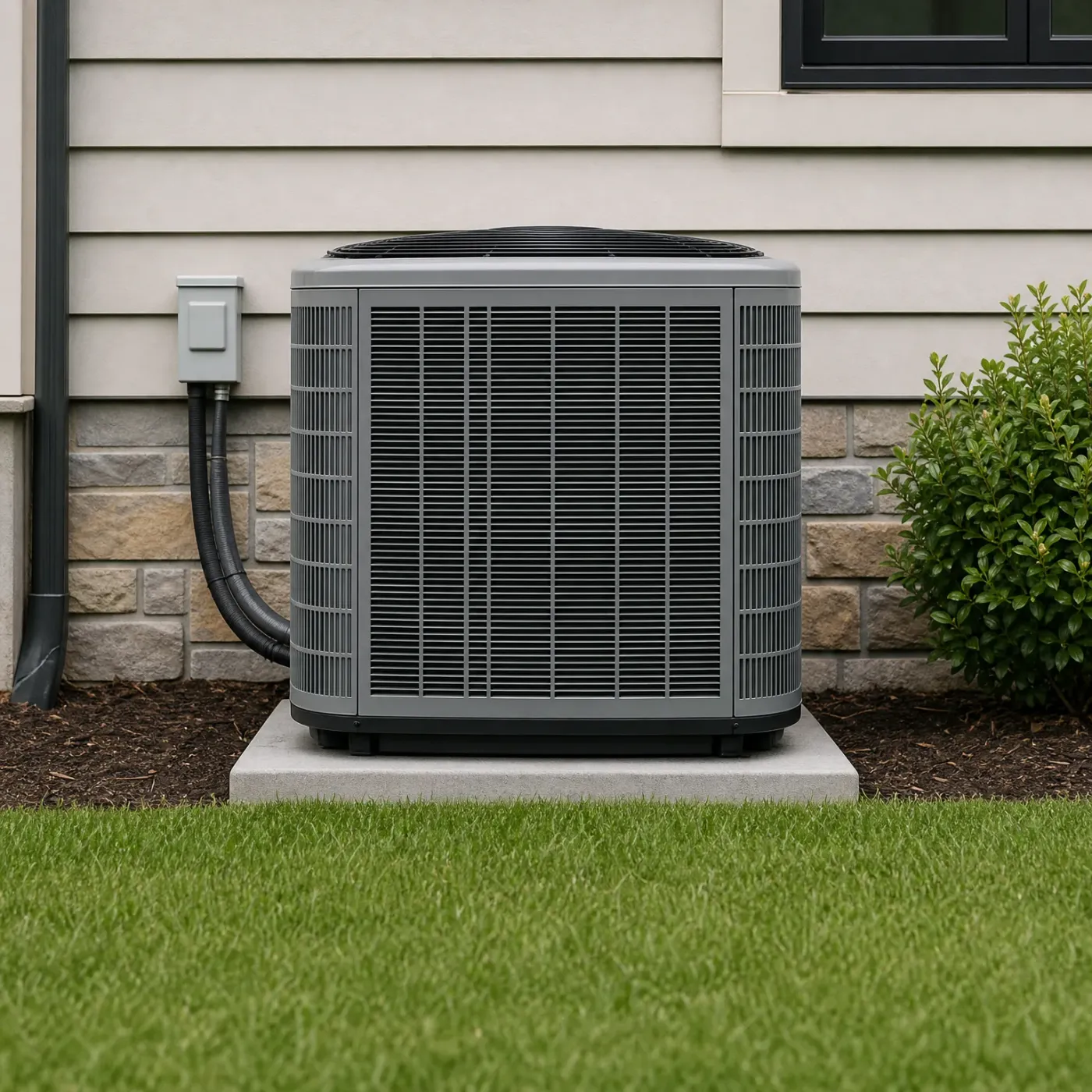
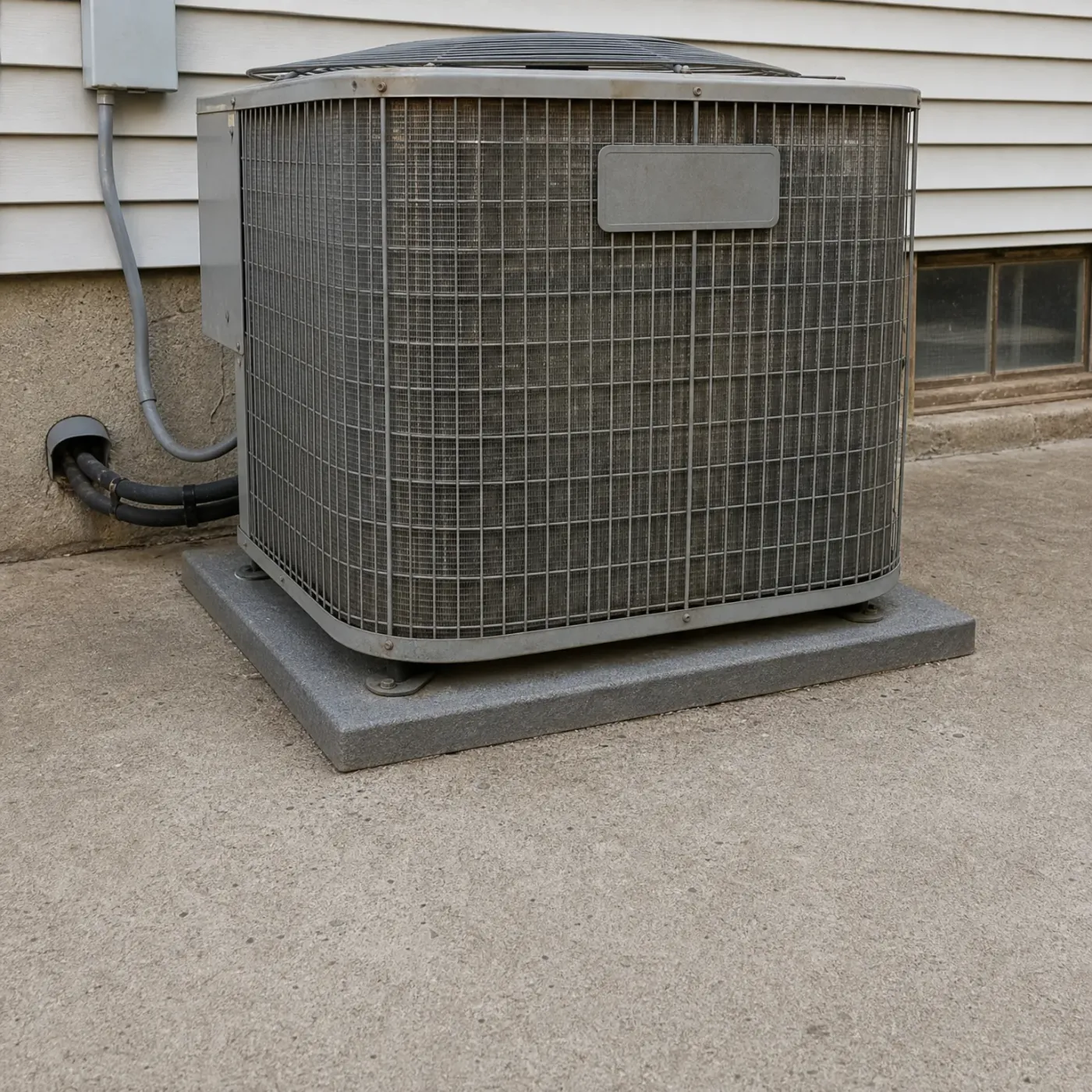
At 26.39 cents per kilowatt-hour, a compressor straining to start on a weak capacitor costs you more every time it tries. A unit stuck cycling like that runs up your bill for days before it finally quits, so catching the hum early is worth more here than almost anywhere else.
EIA-861 2025 statewide residential average
A humming outdoor unit, a fan that runs while the house stays warm, or clicking that repeats every few minutes all come back to the same part. The capacitor either can't deliver the push the compressor needs to start or can't hold the charge that keeps it running steady. None of that gets better on its own. Every time the compressor strains against a weak capacitor, it wears a little more, and a part that struggles today fails outright on some ordinary afternoon, usually the hottest one of the week. That's the difference catching it early makes. A contractor who tests and swaps the capacitor while the unit still cools is doing a short job on a part that hasn't taken anything else down with it. Wait past that point and the compressor itself is what's on the line, and a compressor is not a short job or a small one. New York summers push a capacitor hard enough on their own, with the air already heavy before the unit turns on, and electricity here costs enough that a unit straining to start is burning money on every attempt before it quits for good. Once you send the form, the work of finding someone stops being yours to carry. You've already done the part that mattered, catching the hum before it turned into silence. What's left is a contractor reaching out and a unit that goes back to starting clean, the way it did before any of this started.





After you send the request, you're done searching.
Sending the form costs nothing.