Tell us about the job
Takes about a minute. No obligation.
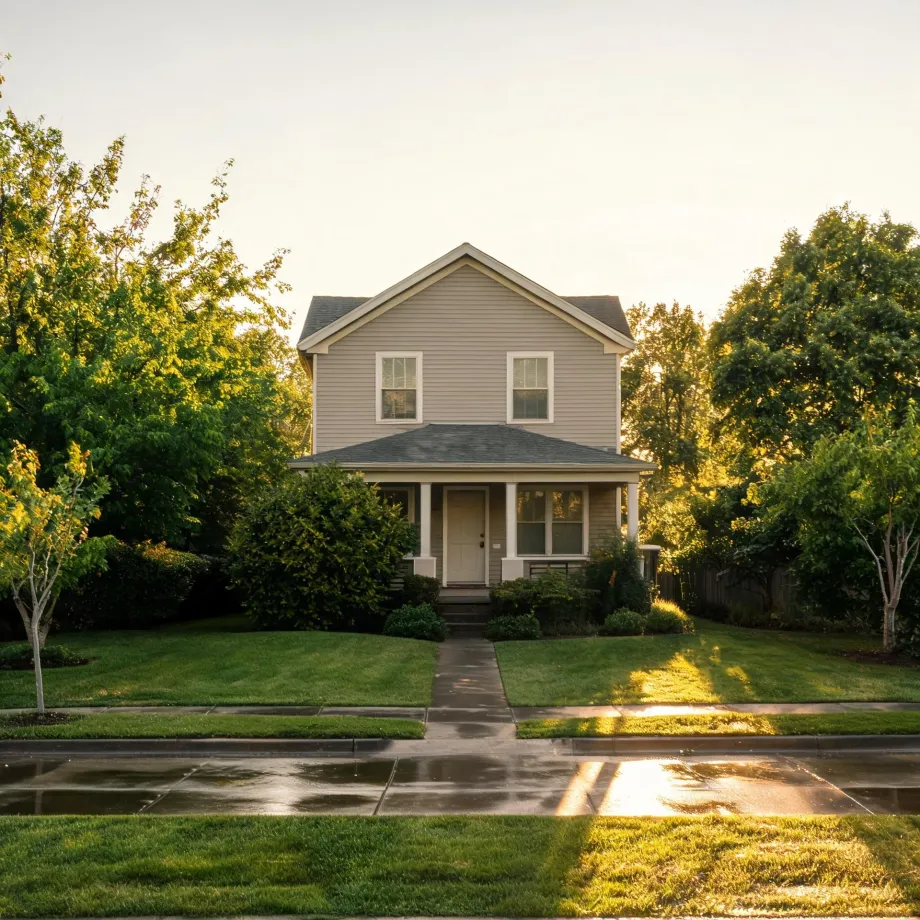
Central AC repair in Fulton County starts with a contractor ruling out what idle equipment does before blaming what running equipment does. Homes in Fulton County, NY have essentially no cooling season — no month of the year is warm enough to call for it. A compressor that rarely starts still has capacitors that drift, contactors that corrode, and refrigerant seals that dry out over long off-seasons. When a homeowner calls on the first genuinely warm day, those are the components a contractor checks first. The system has not been grinding itself down through heavy summer use; the failure modes here come from standing still.
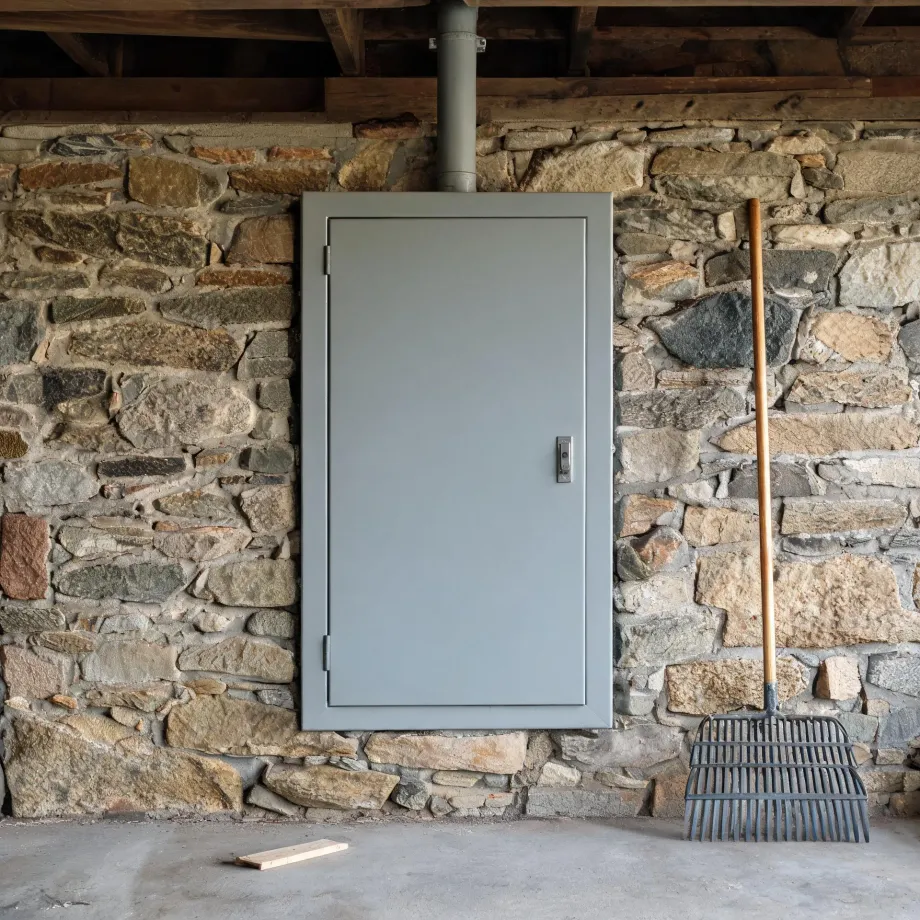
Ductwork in a house built for heat alone runs differently than ductwork built to distribute conditioned air. Half the homes in Fulton County, New York were built in 1954 or earlier (2020-2024 ACS 5-year). That share of the county's stock was put up before central cooling was common, which means many of the duct runs a contractor traces today were never laid out with AC return paths in mind. When a repair opens up a system and the fix is straightforward, the job is straightforward. When it exposes a mismatch between what the equipment needs to breathe and what the house actually gives it, the repair scope changes and the parts list changes with it.
The Parts of a Central AC a Contractor Checks First
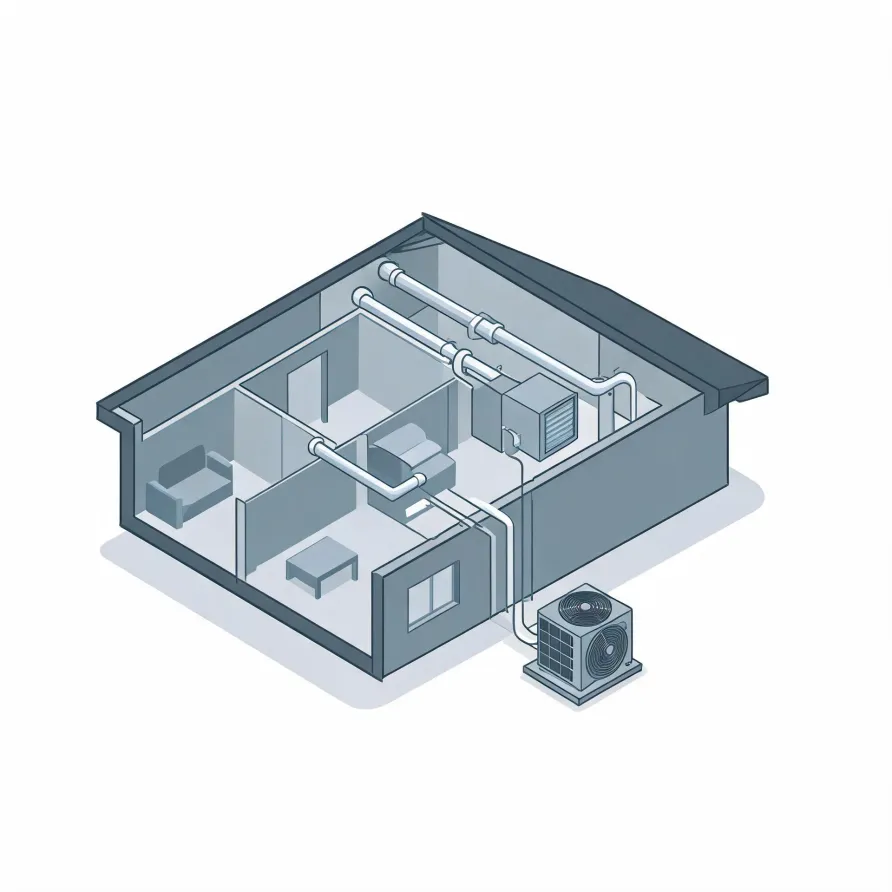
The outdoor condenser unit sits outside the house, usually on a concrete pad at ground level, and it is where heat gets shed to the outside air. The indoor air handler or furnace sits inside, often in a basement, closet, or attic, and it is where the blower pushes air across the evaporator coil. Both units draw contractor attention early, because a fault in either one shuts the whole system down.
The evaporator coil lives inside the air handler and is a frequent source of trouble when cooling drops off or ice appears on the unit. The refrigerant lines run between the two units and carry the working fluid that makes the whole exchange possible. The thermostat, mounted on an interior wall, is the first thing a contractor checks when the system runs but the house stays warm.
The drawing shows a typical layout, and a licensed contractor determines exactly which components apply to your house and its setup.
Get matched in Fulton CountyFulton County, by the numbers
220 severe weather events were recorded in Fulton County, New York between 2015 and 2024.
NOAA National Centers for Environmental Information, Storm Events Database, bulk CSV export, events 2015-01-01 through 2024-12-31.Half the homes in Fulton County, New York were built in 1954 or earlier (2020-2024 ACS 5-year).
U.S. Census Bureau, 2020-2024 American Community Survey 5-Year EstimatesFulton County, New York holds 28,199 housing units (2020-2024 ACS 5-year).
U.S. Census Bureau, 2020-2024 American Community Survey 5-Year EstimatesOwners occupy 71.4% of the occupied homes in Fulton County, New York (2020-2024 ACS 5-year).
U.S. Census Bureau, 2020-2024 American Community Survey 5-Year EstimatesCodes & Standards Covering Central AC Repair in Fulton County, New York8 sourced rules and standards
What happens when a contractor comes out to repair your system
Split-system central air conditioners rated below 45,000 Btu/h manufactured on or after January 1, 2023 must meet a federal minimum of 13.4 SEER2.
Split-system central air conditioners rated at or above 45,000 Btu/h manufactured on or after January 1, 2023 must meet a federal minimum of 13.4 SEER2.
Split-system central air conditioners manufactured between January 1, 2015 and December 31, 2022 had to meet 13 SEER, the metric that preceded SEER2.
Single-package central air conditioners manufactured on or after January 1, 2023 must meet a federal minimum of 13.4 SEER2.
Space-constrained central air conditioners manufactured on or after January 1, 2023 must meet a federal minimum of 11.7 SEER2.
Federal efficiency standards for split-system central air conditioners and heat pumps are set on each certified combination of outdoor unit and indoor coil rather than on the outdoor unit alone.
Residential and light commercial air conditioning and heat pump systems assembled in the field, including mini-splits and unitary systems, may not be installed on or after January 1, 2025 using a refrigerant with a global warming potential above 700.
A field-assembled system whose specified components were all manufactured or imported before January 1, 2025 carries no installation compliance date under the refrigerant restrictions and may still be installed.
Severe Weather Events in Fulton County
Extreme weather puts real hours on HVAC equipment. Fulton County's climate shapes how hard local systems work and how often they need attention, which is why a contractor here looks at that record before diagnosing a problem.
220 severe weather events, 2015–2024. Source: NOAA National Centers for Environmental Information, Storm Events Database.